A few years ago, a friend told me he was taking heart support capsules, a magnesium powder, fish oil, and a mystery blend he found on social media.
He felt more confused than healthy.
That conversation stuck with me because most people do not need a huge supplement shelf.
They need a simple plan, a few smart choices, and a way to check what is actually useful.
OTHER RELEVANT BLOG POST



If you like tracking habits, meals, and how your body responds, you can download 90 DAYS FOOD AND FITNESS JOURNAL and start making the pattern easier to see.
If you care about preventive health and you are curious about AI, this is a great place to start.
AI can help you compare labels, spot duplicate ingredients, and organize your questions before your next visit. It is not a doctor, but it can be a useful second pair of eyes.
What cardiologists usually care about first
Most cardiologists do not start with supplements. They start with blood pressure, cholesterol, blood sugar, sleep, movement, stress, and medications. That is because the biggest heart-health wins usually come from the basics. Supplements can help in the right situation, but they work best when they fill a real gap, not when they are just added because a video went viral.
Here is a simple rule I like: use supplements to support a plan, not to replace one. For a plain-English overview of the basics, see heart-health basics and how to read supplement labels.
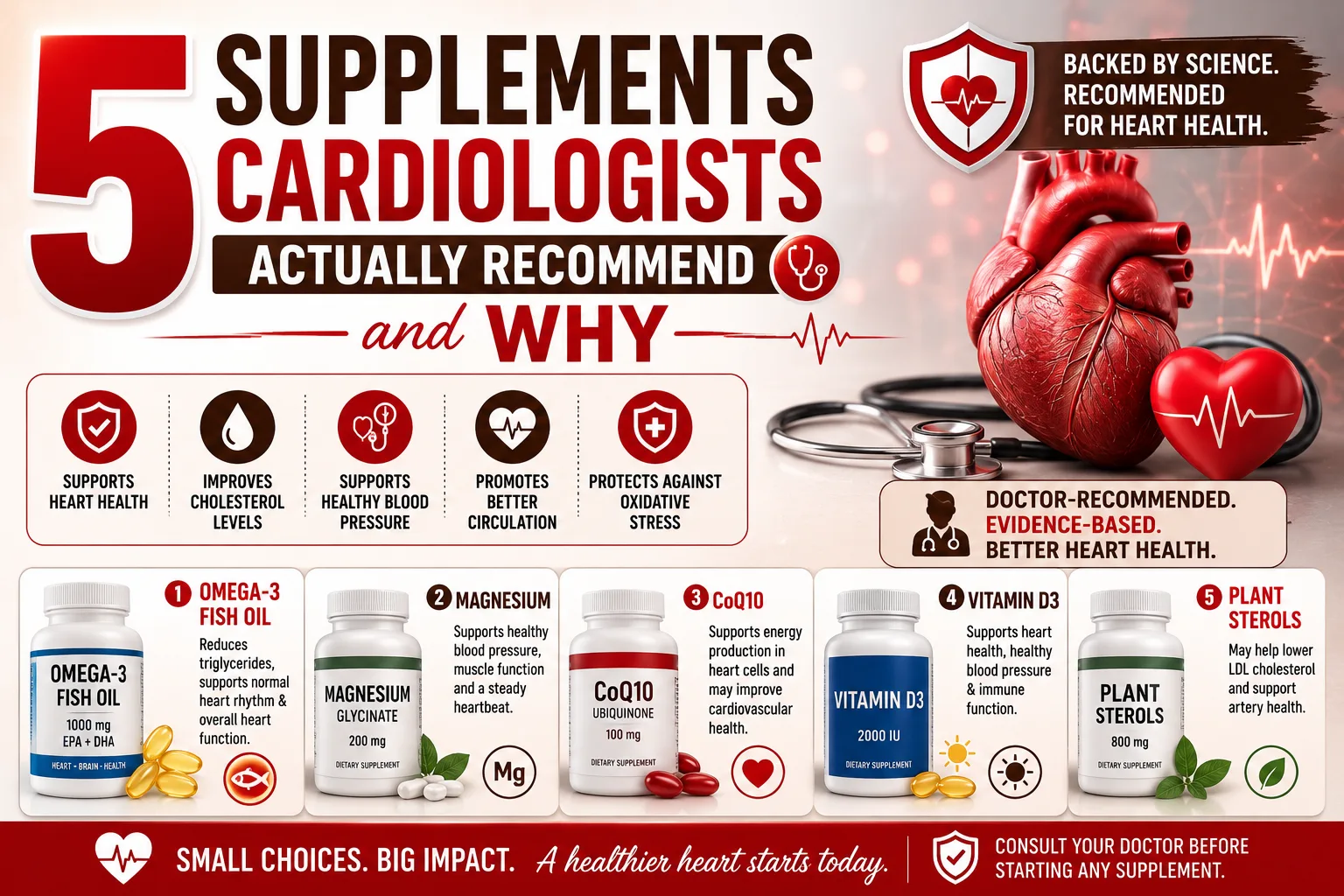
5 supplements cardiologists actually recommend
These are not magic pills. They are tools that can make sense for the right person.
1. Omega-3 fish oil
Omega-3s can help lower triglycerides, and some people with heart risk factors may benefit from them. Cardiologists care about the dose and the form. If you are choosing between products, compare EPA and DHA amounts, not just the front label. For a deeper dive, read the omega-3 guide and the American Heart Association overview.
2. Magnesium
Magnesium is involved in muscle and nerve function, including the heart. It may be helpful if your intake is low or if a clinician thinks it is a good fit for you. Many people do better with food first, but a supplement can help when diet is not enough. The NIH Office of Dietary Supplements magnesium fact sheet is a reliable place to learn the basics.
3. Psyllium fiber
This one surprises people. Psyllium is a simple fiber supplement that can help lower LDL cholesterol and improve regularity. It is cheap, easy to find, and often more helpful than a fancy blend. Start slowly, drink enough water, and separate it from medications when your clinician says to.
4. CoQ10
Coenzyme Q10 is often discussed for people who take statins and notice muscle aches. It is not for everyone, but some cardiologists do suggest it when the situation fits. If you are on a prescription statin, never change the medicine on your own. Bring the symptom list to your clinician and ask whether CoQ10 makes sense.
5. Vitamin D
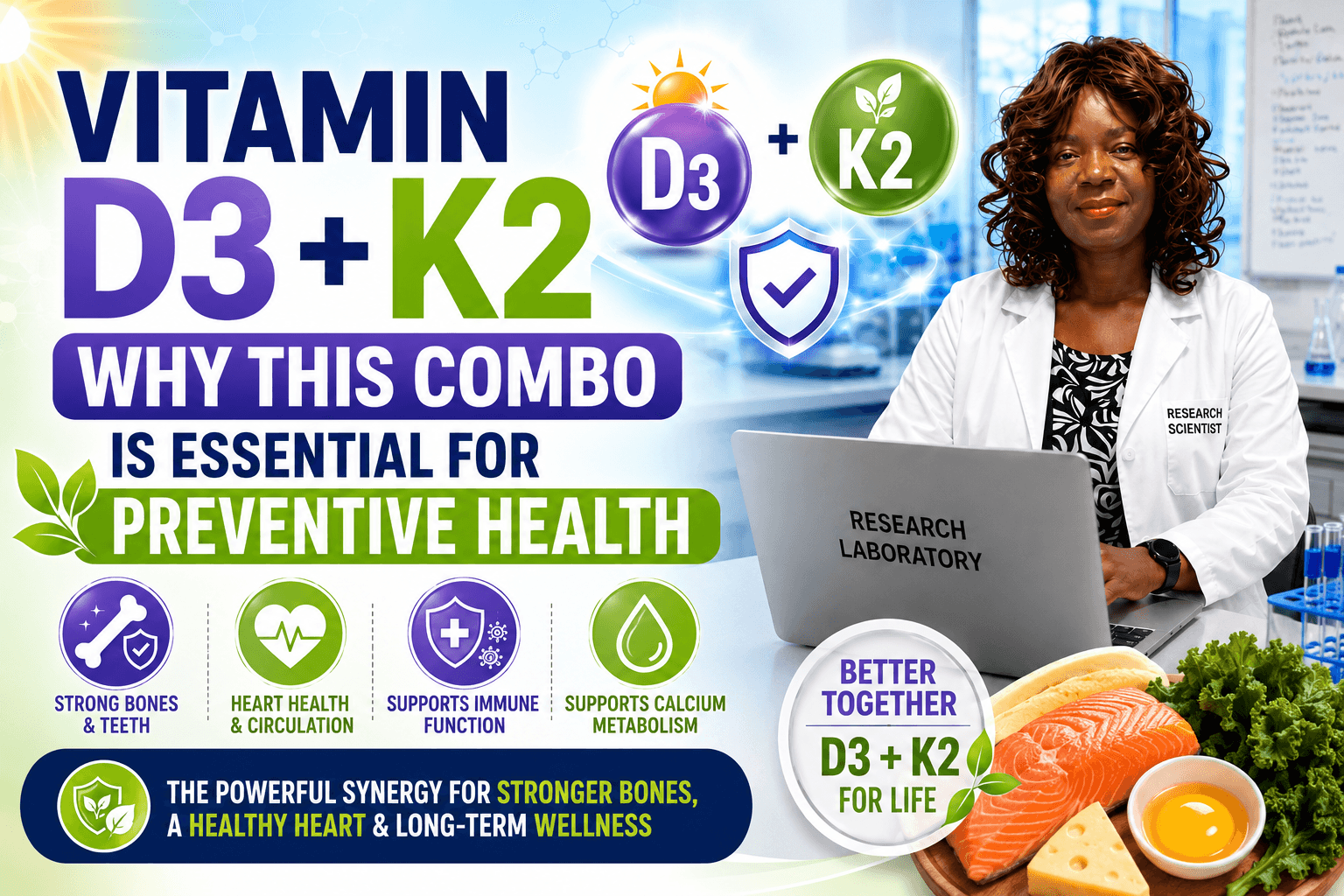
Vitamin D gets a lot of attention, but the key is whether you are actually low. Cardiologists are usually more interested in a measured deficiency than a guess. A blood test and a smart dose matter more than taking a random high amount forever.
3 supplements cardiologists often tell people to avoid or use with caution:
OTHER RELEVANT POST
This part matters because some products can push blood pressure, heart rate, or bleeding risk in the wrong direction.
1. High-dose calcium without medical guidance
Calcium is not automatically bad, but extra-high doses are not something to casually stack on top of a normal diet. Some people need it. Others do not. Cardiologists usually prefer a food-first approach unless there is a clear reason to supplement.
2. Stimulant-heavy fat burners and pre-workouts
If a product promises fast fat loss, extra energy, and a huge pump, look closely. Stimulants can raise heart rate and blood pressure, and the ingredient list is often messy. If you want help unpacking a label, use AI to summarize the ingredients, then verify the claims with a trusted source.
3. Red yeast rice and similar cholesterol blends
Red yeast rice can act a bit like a statin, but the dose is often unpredictable. That means the risks and benefits can be hard to track. If your goal is cholesterol support, talk with your clinician before trying a product that behaves like medicine but is sold like a supplement.
How AI can help you make safer supplement choices
I like AI best as an organizer. It can save time and help you notice patterns, especially if you are juggling supplements, medication, sleep, and a busy life. Here is a simple workflow:
- Take a clear photo of the supplement label.
- Ask AI to list the active ingredients, dosage, and possible red flags.
- Check for overlaps with your medications or other supplements.
- Compare the label with trusted sources like the NIH supplement fact sheets and the NCCIH supplement safety guide.
- Bring the final list to your healthcare professional.
If you want to stay organized, a simple spreadsheet or a note app works great. I also like pairing AI with a weekly check-in inside a journal, because what you track is what you can improve.
A simple supplement decision checklist
Before you buy anything, ask yourself these five questions:
- Do I have a real need for this?
- Have I checked labs, symptoms, or a clinician’s advice?
- Does this product have third-party testing like USP, NSF, or Informed Choice?
- Is the dose sensible, or is it trying to impress me with a giant number?
- Could this interact with my medicine, blood pressure, blood thinner, or sleep?
For an easy next step, read my supplement checklist before you click buy.
My simple take
If I had to boil this down, I would say this:
Cardiologists like smart, specific supplements that solve a real problem.
They do not love random stacks, huge doses, or hype. The best heart-health plan still looks boring in the best way possible: good food, movement, sleep, stress management, and a few well-chosen tools when needed.
If you are trying to be more proactive this year, start small. Pick one goal, review one label, and ask one better question at your next appointment.
That is how preventive health actually starts.
Frequently asked questions
Do cardiologists recommend multivitamins?
Sometimes, but usually only if there is a specific reason, such as a limited diet, a deficiency, or a higher need. A multivitamin is not a replacement for a healthy eating pattern.
Is fish oil good for everyone?
No. Some people benefit, especially when triglycerides are high, but others do not need it. The right dose and the right person matter more than the brand name.
Can I take supplements with blood pressure medicine?
Maybe, but you should check first. Some supplements can lower blood pressure too much, raise it, or interfere with your medication. A quick review with your clinician is worth it.
How do I know if a supplement is high quality?
Look for third-party testing, a clear ingredient list, sensible doses, and a company with a good safety record. If the label is vague or full of proprietary blends, I get cautious fast.
What should I bring to my next cardiology or primary care visit?
Bring a full list of prescriptions, over-the-counter meds, vitamins, and supplements, plus the doses you take. If possible, bring the bottles or clear photos of the labels. That makes the conversation much easier.
Bottom line: choose fewer supplements, but choose them better. Use AI to stay organized, use trusted medical sources to verify the facts, and use your clinician as the final checkpoint. If you want a simple way to build the habit, start with 90 DAYS FOOD AND FITNESS JOURNAL and turn your health goals into something you can actually see.
SUBSCRIBE TO MY YOUTUBE CHANNEL FOR MORE PREVENTIVE HEALTH TIPS
Frequently Asked Questions
If cardiologists usually focus on basics first, when does a supplement actually make sense?
A supplement makes sense when it fills a real gap, such as a documented deficiency, a specific lab issue, or a symptom pattern your clinician thinks matches a nutrient need. It is less useful when it is added just because it sounds heart-healthy. The best use is targeted support, not random stacking.
Why do cardiologists care more about EPA and DHA than the front label on fish oil?
The front label can be misleading because it may list total fish oil, not the actual omega-3 content. EPA and DHA are the active components cardiologists care about, especially when looking at triglycerides and heart-risk support. A product can look strong on the bottle but provide too little of the useful ingredients.
Can magnesium or psyllium interfere with medications if taken at the wrong time?
Yes. Psyllium can reduce absorption of some medications if taken too close together, and magnesium can also affect how certain drugs are absorbed. The safest approach is to separate them from prescriptions by the timing your clinician recommends. That simple step can make a big difference in whether both work properly.
Is CoQ10 only worth considering if statins cause muscle aches?
That is the most common reason it comes up, but not the only one. Some cardiologists may suggest CoQ10 when someone on a statin has muscle symptoms and wants to discuss options. It is not a substitute for the statin, and it is not automatically helpful for everyone, so it should be individualized.
Why is vitamin D treated differently from other heart supplements?
Because the key question is whether you are actually deficient. Cardiologists are usually less interested in taking vitamin D just in case and more interested in a measured level, especially if there are risk factors for low vitamin D. That is why testing and dose selection matter more than taking a high amount long term.
What makes stimulant-heavy fat burners and pre-workouts risky for the heart?
They can raise heart rate and blood pressure, and the ingredient list may combine multiple stimulants in ways that are hard to notice at first glance. The marketing often focuses on energy or fat loss, but the bigger issue is cardiovascular strain. If a label seems aggressive or vague, it deserves extra caution.