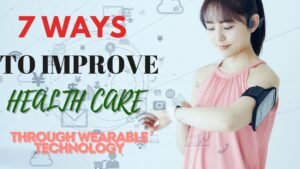

Health technology is evolving quickly, but many people still find digital health ideas hard to understand. To reach a wider audience, creators and organizations need to make complex topics simple, practical, and visually engaging. When information is easy to follow, readers are more likely to trust it, remember it, and share it with others.
One effective approach is to explain digital health concepts in plain language. Instead of relying on technical terms, break down ideas such as telehealth, wearable devices, remote monitoring, and artificial intelligence into everyday examples. Clear explanations help readers see how these tools fit into real life, from tracking heart health to booking virtual doctor visits.
Spotlighting emerging health apps is another strong way to build interest. New apps for medication reminders, mental wellness, symptom tracking, and fitness monitoring show how innovation is changing personal care. By highlighting the benefits, key features, and best uses of these apps, content becomes more relevant to patients, caregivers, and health-conscious readers.
Visual storytelling also plays a major role in making technology more accessible. Infographics can simplify data, compare app features, or show step-by-step workflows in a single glance. Short videos can demonstrate how a health app works, how to use a wearable device, or how digital tools support better decision-making. These formats make information feel more relatable and easier to remember.
To boost audience reach effectively, combine education with clarity and strong visuals. Focus on useful takeaways, answer common questions, and show how new tools improve everyday health experiences. When digital health content is simple, visually appealing, and centered on real-world value, it connects with broader audiences and encourages greater engagement.
Frequently Asked Questions
How can complex health technology be explained simply without losing accuracy?
The key is to translate technical terms into everyday situations while keeping the core function intact. For example, explain remote monitoring as a way for a doctor to check health data from a distance, rather than just naming the technology. Use plain language, but preserve important details about what the tool does, who uses it, and why it matters.
Which health technology topics benefit most from visuals like infographics or short videos?
Topics that involve steps, comparisons, or data patterns usually work best with visuals. Examples include how a telehealth visit works, differences between wearable devices, or how symptom-tracking apps organize information. Visuals are especially useful when readers need to understand a process quickly or compare several options side by side.
How do emerging health apps attract readers who are not very tech-savvy?
They attract attention when the content focuses on practical benefits instead of app features alone. Readers are more interested in how an app can help with medication reminders, stress management, or fitness tracking in daily life. Simple use cases, clear outcomes, and relatable examples make new apps feel useful rather than intimidating.
Can making health content too simple reduce trust with more informed readers?
Yes, if simplicity turns into vagueness or leaves out essential context. Trust is maintained by being clear while still offering enough detail to be useful. A good approach is to use plain language for the main explanation and add a few precise points about how the technology works, its limitations, or who it is best suited for.
What makes health technology content more shareable beyond just being informative?
Shareability increases when content helps people solve a real problem or understand something confusing in a few seconds. Strong visuals, practical tips, and examples tied to everyday health decisions make the content easier to remember and pass along. Readers are more likely to share material that feels useful, clear, and immediately relevant.