Let’s talk about something very practical.
90 Day food and Fitness Journal
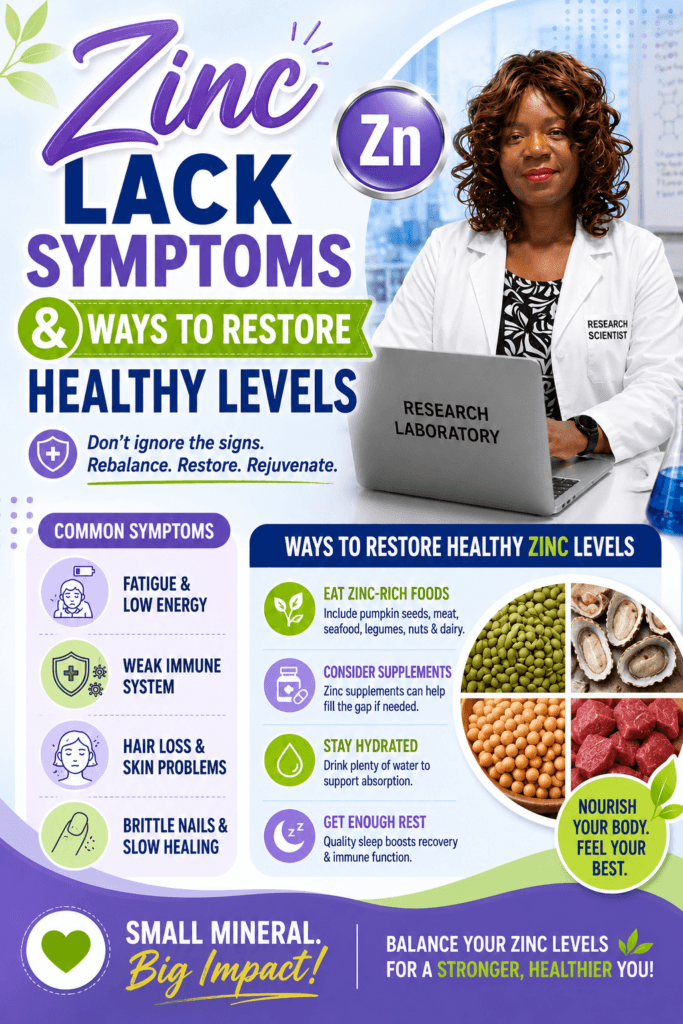
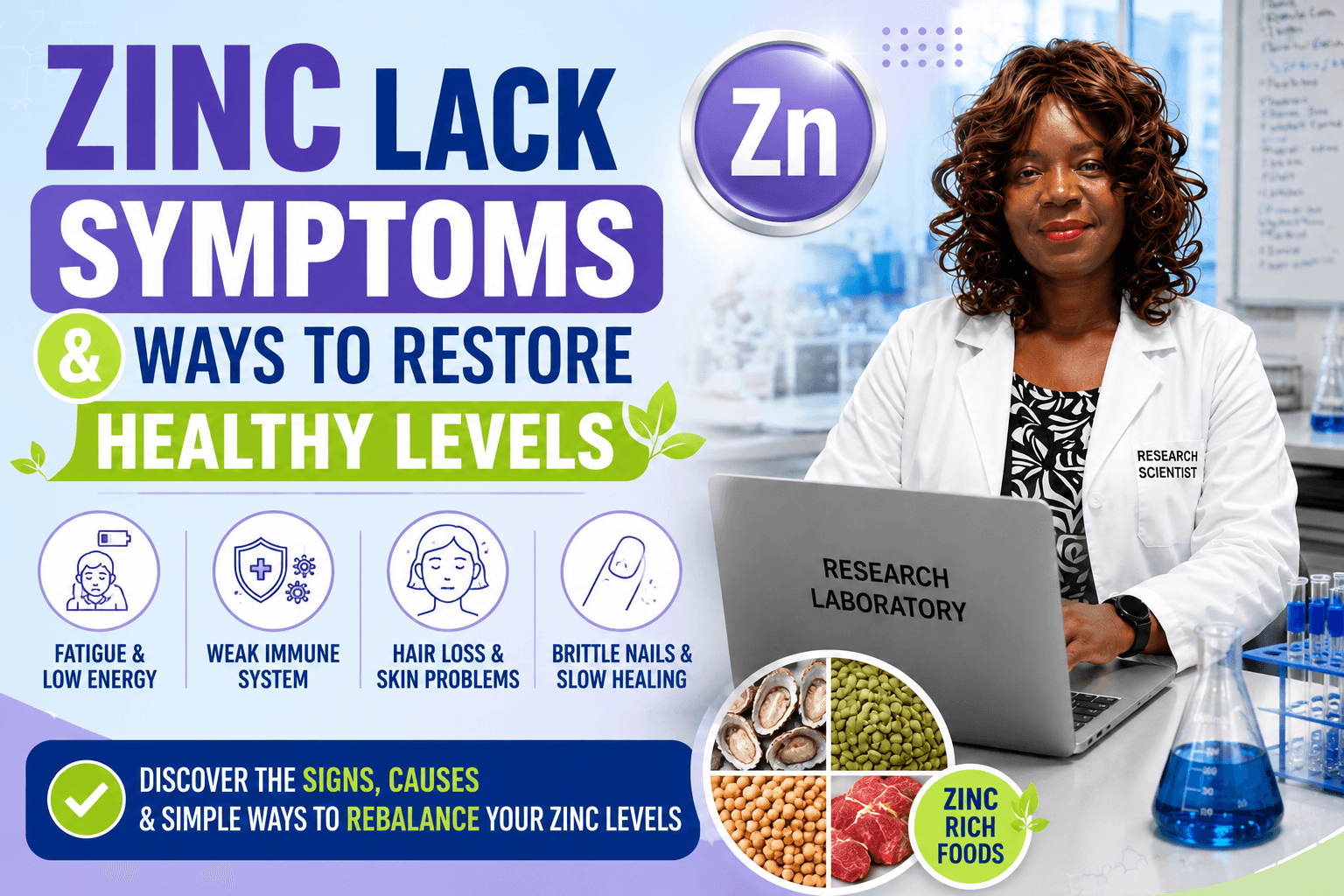
You’re doing the work. You’re sleeping enough (mostly), you’re drinking your water, and you’ve even started that new morning walk routine. But something still feels off. Maybe you’ve noticed your hair is thinning more than usual, or that small scratch on your hand from three weeks ago still hasn’t fully healed.
Then the question hits you: Is my body missing something fundamental?
OTHER RELEVANT BLOG POST

If you’ve ever felt like your health is a puzzle with one missing piece, you aren’t doing anything wrong. I’ve seen people struggle with persistent fatigue and brain fog for months, only to realize their body was simply crying out for a tiny trace mineral. That tells you one thing very clearly—the smallest nutrients often do the heaviest lifting.
There Is No One-Size-Fits-All for Mineral Balance
Before we dive into the symptoms, let me say this upfront. Mineral balance is personal, not absolute.
The real goals of understanding zinc are simple:
- Better Immune Response
- Faster Physical Recovery
- Sharper Cognitive Focus
You can follow every “superfood” list on the internet and still have a gap. That’s normal. Think of zinc as a biological spark plug; without it, the engine of your metabolism just doesn’t fire correctly. This post is your framework to test and personalize your approach to this essential mineral.
The Biological Powerhouse: Why Zinc is Non-Negotiable
Zinc is required by every single cell in your body. It supports the functioning of over 300 enzymes. Imagine 300 different workers in your body suddenly slowing down because they don’t have the right tools—that is what happens during a deficiency.
The Role in DNA and Growth
Zinc is a primary player in DNA synthesis and protein metabolism. This is why it’s so vital for children and pregnant women. If the blueprint of your cells (DNA) isn’t being read correctly because of a zinc shortage, everything from your skin texture to your energy levels can suffer.
The Immune Sentinel
Think of zinc as the “gatekeeper” of your immune system. It helps develop and activate T-lymphocytes. When you have enough zinc, your body can identify and neutralize threats before they turn into a week-long cold.
Detailed Breakdowns: Recognizing the Symptoms
Because zinc is involved in so many processes, a “lack” doesn’t just look like one thing. It’s often a collection of subtle signs that we tend to blame on “getting older” or “stress.”
Group A: The Visible Physical Signs
These are the symptoms you can see in the mirror or feel on your skin.
- Slow Wound Healing: This is the classic “red flag.” If a simple paper cut takes weeks to disappear, your cellular repair team is likely low on zinc.
- Unexplained Hair Loss: Zinc is essential for hair tissue growth and repair. It also keeps the oil glands around the follicles working properly.
- Skin Issues: Persistent acne, eczema, or “rough” patches that won’t go away often respond well when zinc levels are restored.
Group B: The Internal and Cognitive Signs
These are the “hidden” symptoms that affect how you feel and think.
- Loss of Taste and Smell: Zinc is crucial for one of the enzymes that allow you to taste and smell. If food starts tasting “bland,” check your zinc.
- Brain Fog and Low Focus: Your brain uses zinc for neurotransmitter signaling. A deficiency can make you feel like you’re walking through mental mud.
- Diminished Appetite: Ironically, being low in zinc can make you less interested in the very foods that could help you.
Who is at the Highest Risk?
Not everyone develops a deficiency for the same reason. Understanding your “risk profile” helps you decide if you need more food-based zinc or a targeted supplement.
The Plant-Based Challenge
If you are a vegetarian or vegan, you might be eating “zinc-rich” foods like beans and grains, but these also contain phytates. Phytates bind to zinc and prevent your body from absorbing it. This doesn’t mean you can’t be a healthy vegan; it just means you need to be more intentional about your sources.
Digestive and Chronic Hurdles
If you have a “leaky gut,” Crohn’s, or Celiac disease, your “absorption gate” is partially closed. You could be eating all the oysters in the world, but if your gut can’t pull the minerals into your bloodstream, your cells remain hungry.
OTHER INTERESTING BLOG POSTS
- Zinc Lack Symptoms and Ways to Restore Healthy Levels
- Top Signs of Zinc Lack plus Ways to Boost Your Body
- Best Time to Take Vitamins: Morning, Night, or With Food?
The Rule That Matters Most: Consistency Over Perfection
Here is the truth that outweighs every medical study: The best way to fix a deficiency is the routine you will actually stick to.
You don’t need to become a nutritional scientist overnight. You just need to be consistent.
- If you choose to eat more pumpkin seeds, eat them every day.
- If you choose a supplement, take it at the same time every day.
Consistency drives results. Timing and “perfect” dosages only fine-tune them. If you miss a day, don’t panic—just get back on track tomorrow. Your body is incredibly resilient; it just needs a steady supply of the right tools.
Final Thoughts
Recognizing a zinc deficiency is the first step toward reclaiming your vitality. It’s not about being “sick”; it’s about optimizing your foundation. Listen to your body, pay attention to the subtle signs, and remember that you have the power to adjust your health one meal at a time.



Pingback: Fiber deficiency crisis hidden reason for poor digestion.