A few years ago, I had one of those weeks where my body felt a little off in a way I could not quite explain. I was bloated after meals, my energy dipped by midafternoon, and no matter how much water I drank, I still felt sluggish. That was the moment I started paying closer attention to prebiotics vs. probiotics vs. postbiotics—because I realized my gut was not asking for a miracle, just a little more support.
Why gut health can affect your whole body
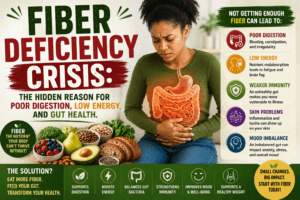
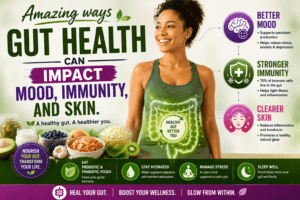
Your gut does more than help you digest lunch. It plays a role in energy, immunity, mood, skin, and how well your body absorbs nutrients. When your gut is out of balance, you may notice bloating, gas, constipation, loose stools, cravings, or that tired-and-heavy feeling that never quite goes away.
If you want a practical starting point, my gut health checklist can help you build better habits without overcomplicating things.
Prebiotics vs Probiotics vs Postbiotics: the simple breakdown
I like to think of these three as a team:
OTHER RELEVANT BLOG POST

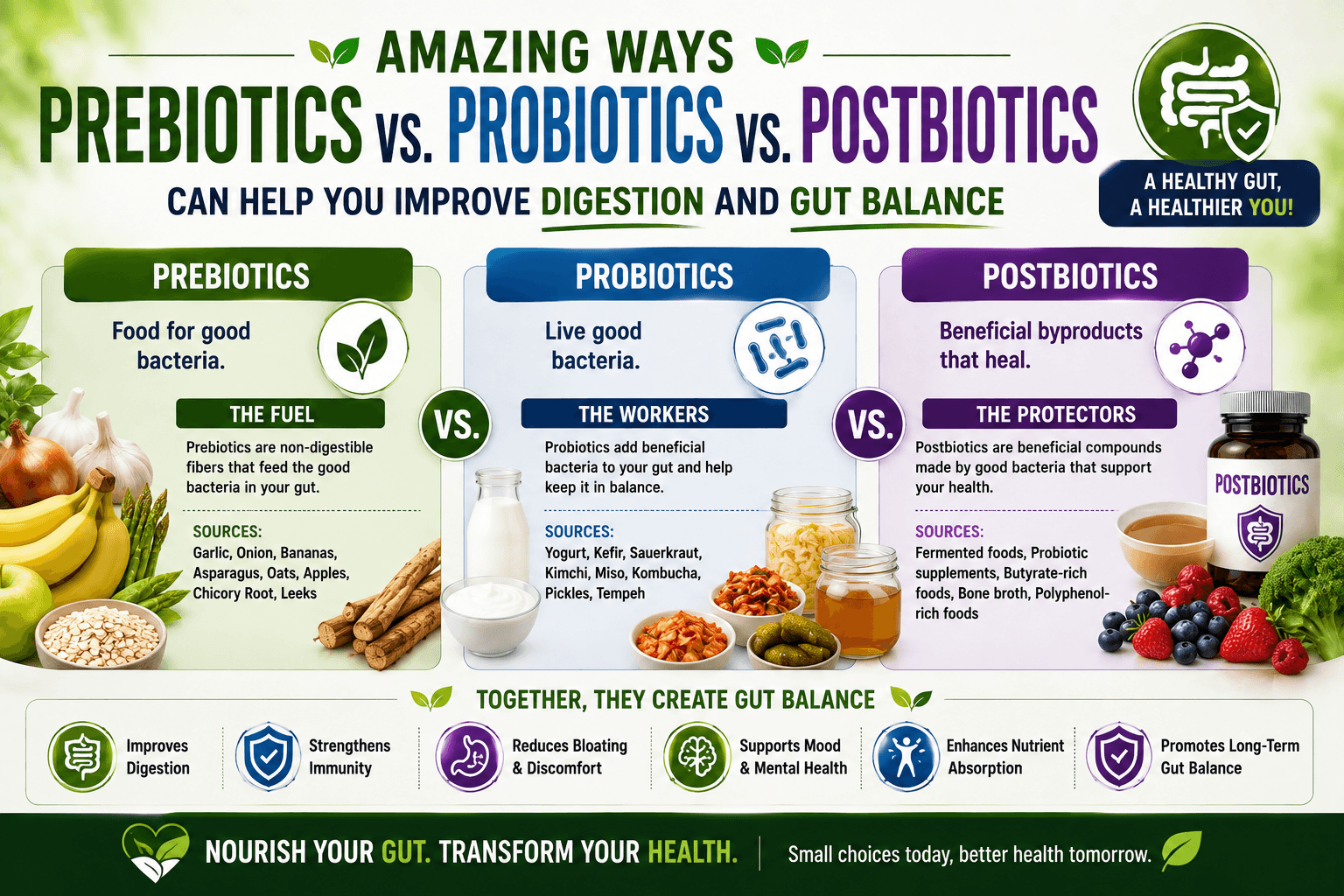
- Prebiotics are the food for your helpful gut bacteria.
- Probiotics are the live helpful bacteria themselves.
- Postbiotics are the helpful compounds those bacteria make after they eat fiber.
When people ask me what their gut really needs, the honest answer is usually a mix of all three—but most importantly, a steady routine built on real food.
Prebiotics
Prebiotics are mostly fibers your body does not fully digest. Instead, they travel to the colon, where friendly bacteria feed on them. That process helps those good microbes grow and do their job.
Easy prebiotic foods include oats, beans, lentils, onions, garlic, leeks, asparagus, apples, bananas, and slightly green bananas. A little fiber every day tends to help more than trying to do everything at once.
Probiotics
Probiotics are live microorganisms that can support balance in the gut. The easiest way to get them is through foods that are natural probiotics such as plain yogurt with live cultures, kefir, sauerkraut, kimchi, miso, tempeh, and some fermented pickles.
One important note: not all fermented foods contain live cultures by the time they reach your plate. Look for words like ‘live and active cultures,’ and choose options with less added sugar and less processing when possible.
What are postbiotics?
What are postbiotics? In simple terms, they are the useful by-products made when good bacteria break down fiber and other nutrients. Think of them as the beneficial leftovers after the gut microbes have done their work.
Postbiotics may help support the gut lining and a healthy inflammatory response. You do not usually need to chase postbiotics separately at first—a fiber-rich, balanced diet often helps your body make them naturally.
The best foods that improve gut health
When people ask me for the best foods that improve gut health, I usually suggest starting with a simple mix of fiber, fermented foods, and healthy fats. You do not need a perfect menu. You need a pattern you can repeat.
- Prebiotic foods: oats, barley, beans, lentils, garlic, onions, asparagus, apples, pears, and bananas.
- Foods that are natural probiotics: yogurt, kefir, kimchi, sauerkraut, miso, tempeh, and some cottage-style fermented drinks.
- Foods that help your gut make postbiotics: beans, vegetables, whole grains, resistant starch foods like cooled potatoes or rice, and a wide range of plant foods.
Variety matters. The more colors and textures you eat, the more you help your gut bacteria thrive.
Natural anti-inflammatory foods and omega-3 foods for inflammation
Gut health and inflammation often go hand in hand. That is why I also like to include natural anti-inflammatory foods in the mix. Some of the omega-3 foods for inflammation I reach for often are salmon, sardines, mackerel, chia seeds, flaxseed, and walnuts.
Other smart choices include berries, leafy greens, extra-virgin olive oil, turmeric, and ginger. These foods do not ‘fix’ the gut overnight, but they can make your whole system feel calmer over time.
For a deeper dive, you may also like my anti-inflammatory foods guide and my omega-3 benefits article.
Trusted references worth bookmarking: the NIH omega-3 fact sheet and WHO healthy diet guidance.
A simple gut-friendly day you can actually follow
- Breakfast: plain yogurt or kefir with oats, berries, and chia seeds.
- Lunch: a big salad with beans, olive oil, avocado, and grilled salmon or tofu.
- Snack: an apple with nut butter or a handful of walnuts.
- Dinner: vegetables, lentils or chicken, and a serving of cooled rice or potatoes if you like them.
- Add a fermented side: a spoonful of sauerkraut, kimchi, or miso-based soup.
This is the kind of routine that works because it is simple enough to repeat.
Do you need probiotics or supplements?
Sometimes yes, but not always. Food first is usually the best preventive strategy. If you are choosing a probiotic supplement, look for a product with clear strain information, storage instructions, and a reason for taking it. More is not always better.
Be extra careful if you are pregnant, have a weak immune system, have a serious illness, or take prescription medication. In those cases, it is smart to talk with a clinician before starting anything new. For a helpful overview, the NIH and Mayo Clinic both offer practical guidance.
If you want to better understand labels and quality, my supplement label guide may help.
AI can be useful here too. I like using AI to brainstorm grocery lists, compare ingredient labels, or build a meal plan around my food preferences. But I still double-check the details with trusted health sources, because AI should support good decisions, not replace them.
When gut symptoms might be more than a food issue
If your bloating, constipation, diarrhea, pain, or reflux keeps coming back, do not ignore it. Gut symptoms can sometimes overlap with food sensitivities, IBS, medication side effects, stress, or nutrient problems.
Ongoing fatigue, hair shedding, brittle nails, mouth sores, or frequent illness can also be clues that something deeper is going on. If you want a broader picture, my vitamin deficiency signs article is a good place to start.
For persistent or severe symptoms, please check in with a healthcare professional. Prevention works best when we pay attention early.
FAQ
What is the difference between prebiotics, probiotics, and postbiotics?
Prebiotics feed your good gut bacteria, probiotics are the live helpful bacteria, and postbiotics are the useful compounds those bacteria make after they digest fiber. Think of them as food, workers, and finished helpful products working together.
What are the most common vitamin deficiency signs?
Common signs can include fatigue, low energy, brittle nails, hair shedding, pale skin, mouth sores, muscle cramps, and getting sick often. If these symptoms are ongoing, it is worth asking a clinician about bloodwork.
How can I tell if I have a vitamin deficiency?
You cannot know for sure from symptoms alone. A vitamin deficiency is usually confirmed with a medical history, diet review, and lab tests when needed. Symptoms can look similar to stress, poor sleep, or digestive problems.
Can vitamin deficiencies cause fatigue?
Yes. Low iron, vitamin B12, folate, vitamin D, and other nutrient gaps can contribute to fatigue. Gut health matters because poor digestion or absorption can make it harder to get what your body needs from food.
What is the fastest way to correct a vitamin deficiency?
The fastest and safest approach is to confirm the deficiency first, then use the right food plan, supplement dose, or treatment recommended by a clinician. Guessing can delay improvement or cause the wrong fix.
Which vitamin deficiencies are most common in adults?
Common gaps in adults often include vitamin D, vitamin B12, iron, folate, magnesium, and sometimes omega-3 intake. Needs vary by diet, age, medications, and health conditions, so regular checkups matter.
Do I need supplements if I eat gut-friendly foods?
Not always. Many people can support gut health with food first, especially when they eat enough fiber, fermented foods, and healthy fats. Supplements may help in specific cases, but they work best when chosen for a clear reason.
Final thoughts: what your gut really needs
When it comes to Prebiotics vs Probiotics vs Postbiotics, the biggest lesson is simple: your gut usually needs balance, not perfection. Feed your beneficial bacteria with fiber, add fermented foods when they work for you, and support your body with natural anti-inflammatory foods and omega-3 foods for inflammation.
Most importantly, keep your habits steady. Eat real food. Stay hydrated. Move your body. Get regular checkups. Use supplements wisely, not randomly. And if you are using AI to help with meal planning or health tracking, let it be a tool that supports your judgment, not a replacement for it.
The earlier you support your gut, the more you help prevent bigger problems later. That is the heart of preventive health.
Frequently Asked Questions
¿Es mejor tomar prebioticos, probioticos y postbioticos a la vez o empezar por uno solo?
En la mayoría de los casos no hace falta empezar con los tres a la vez. Lo más útil suele ser construir una base con alimentos ricos en fibra, porque así alimentas a tus bacterias beneficiosas y ayudas a que produzcan compuestos útiles. Después puedes sumar alimentos fermentados si te sientan bien. La constancia suele importar más que la cantidad.
Si como alimentos fermentados, ¿significa que ya estoy consumiendo probioticos?
No siempre. Aunque un alimento sea fermentado, no necesariamente conserva microorganismos vivos cuando llega a tu plato. Para que aporte probioticos, conviene buscar etiquetas como 'cultivos vivos y activos' y elegir opciones poco procesadas y con poco azúcar. Aun así, los fermentados pueden formar parte de una dieta saludable aunque no todos tengan bacterias vivas.
¿Los postbioticos se deben comprar como suplemento o se pueden obtener con la comida?
No suelen ser el primer paso. El artículo plantea que una dieta rica en fibra, vegetales, legumbres y alimentos con almidón resistente ayuda al propio cuerpo a producir postbioticos de forma natural. Por eso, antes de pensar en suplementos, suele ser más sensato mejorar la alimentación y la variedad de plantas que comes a diario.
¿Qué diferencia real hay entre una comida buena para el intestino y una comida que produce postbioticos?
Una comida rica en fibra no solo nutre al intestino, también alimenta a las bacterias beneficiosas para que fermenten esos alimentos y generen compuestos útiles. Por eso, alimentos como legumbres, avena, verduras, cereales integrales o patata y arroz enfriados ayudan a crear postbioticos de manera natural. El efecto aparece por el patrón dietético, no por un alimento aislado.
¿Qué pasa si los probioticos me hinchan o me caen pesados?
Es bastante común que algunas personas noten molestia al empezar con probioticos o fermentados, sobre todo si consumen demasiada cantidad de golpe. En ese caso, suele ayudar reducir la porción, elegir opciones más simples como yogur natural o kéfir, y priorizar primero fibra y alimentos enteros. Si el malestar persiste, conviene revisar la tolerancia individual.
¿Las grasas saludables y los alimentos antiinflamatorios también influyen en la salud intestinal?
Sí, porque el intestino no depende solo de fibra y fermentados. El artículo también destaca alimentos como salmón, sardinas, chía, linaza, nueces, aceite de oliva, frutos rojos, cúrcuma y jengibre. Estos alimentos pueden apoyar un entorno intestinal más equilibrado y una mejor respuesta inflamatoria, aunque no sustituyen una dieta variada rica en plantas.