Would you like to know the reasons why multivitamins are useless?
A few years ago, I remember looking at my kitchen counter and seeing a little row of pill bottles that made me feel like I was doing everything right. Multivitamin. Fish oil. Vitamin C. Magnesium. It looked responsible. It looked healthy. But when I actually checked my habits, I realized I was using supplements like a shortcut for sleep, real food, and stress management. If that sounds familiar, you are not alone.
Let me say this clearly: multivitamins are not always bad, but for many healthy adults, they are mostly a very expensive way to feel safe. They look like a preventive health plan, but often they are just a broad mix of nutrients in amounts that are too small, too generic, or too poorly absorbed to make a real difference.
If you care about preventive health, the better question is not, “Should I take a multivitamin?” It is. What is my body actually missing? That is where the real progress happens.
OTHER RELEVANT BLOG POST


Why your multivitamin are useless and probably is not doing much
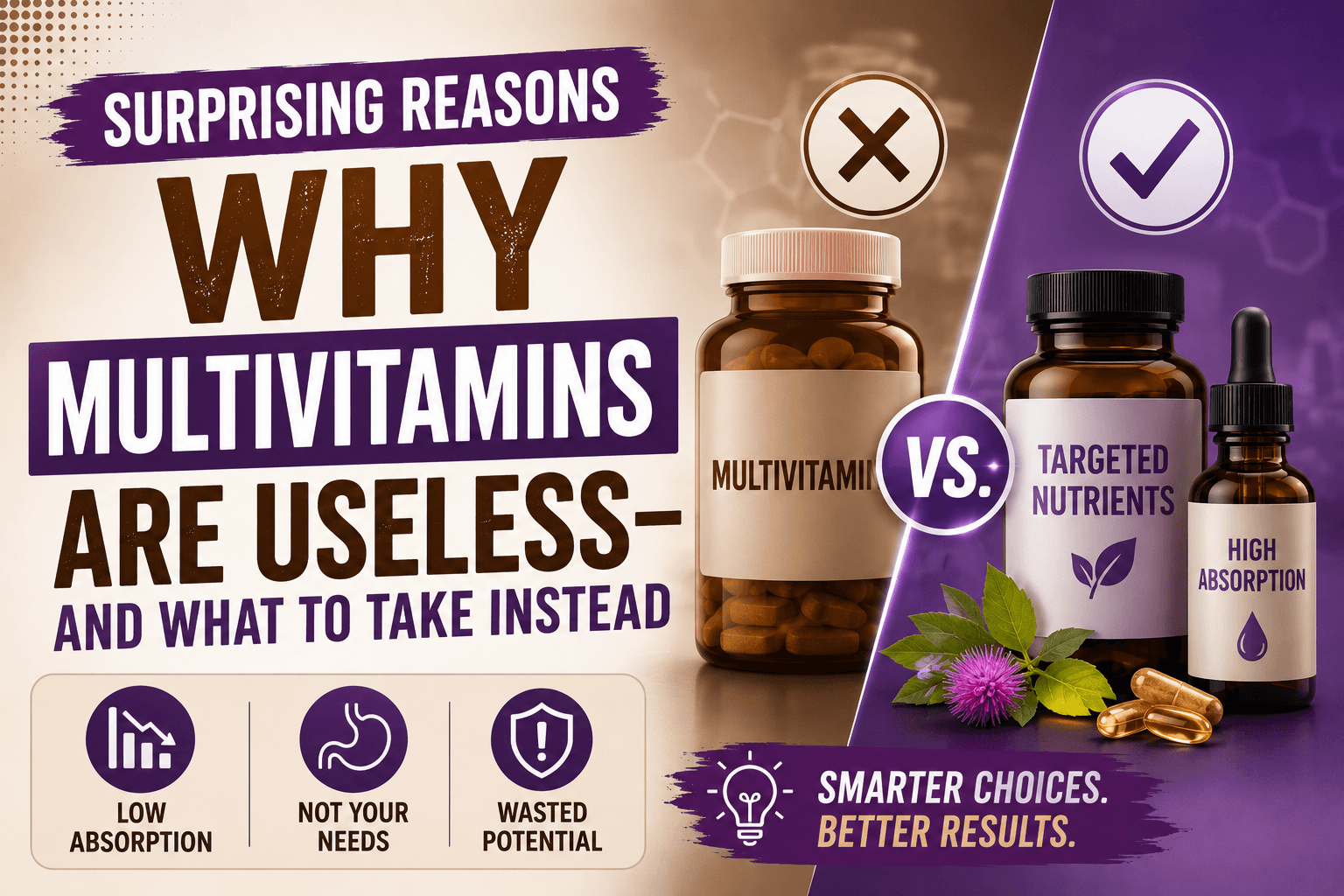
Most multivitamins try to cover every base. The problem is that your body is not a spreadsheet. It does not need a little bit of everything just because a label says so. Here is why these products often disappoint:
- The doses are tiny. Many formulas include nutrients in amounts that look nice on the label but are not enough to correct a real deficiency.
- Absorption can be limited. Some forms of vitamins and minerals are easier for the body to use than others.
- They are too broad. You might need vitamin D or magnesium, but a multivitamin gives you a little of many things instead of enough of the one thing you may actually need.
- They can create false confidence. Taking one pill can make it feel like the basics do not matter as much when food, sleep, movement, and stress are still the real foundation.
- Not everyone needs the same formula. A 32-year-old runner, a busy parent, and a 58-year-old who rarely eats fish do not have the same nutritional gaps.
If you want a trustworthy overview, the NIH Office of Dietary Supplements has a good evidence-based summary, and Harvard Health also breaks down why multivitamins are often less impressive than people hope.
OTHER RELEVANT BLOG POST
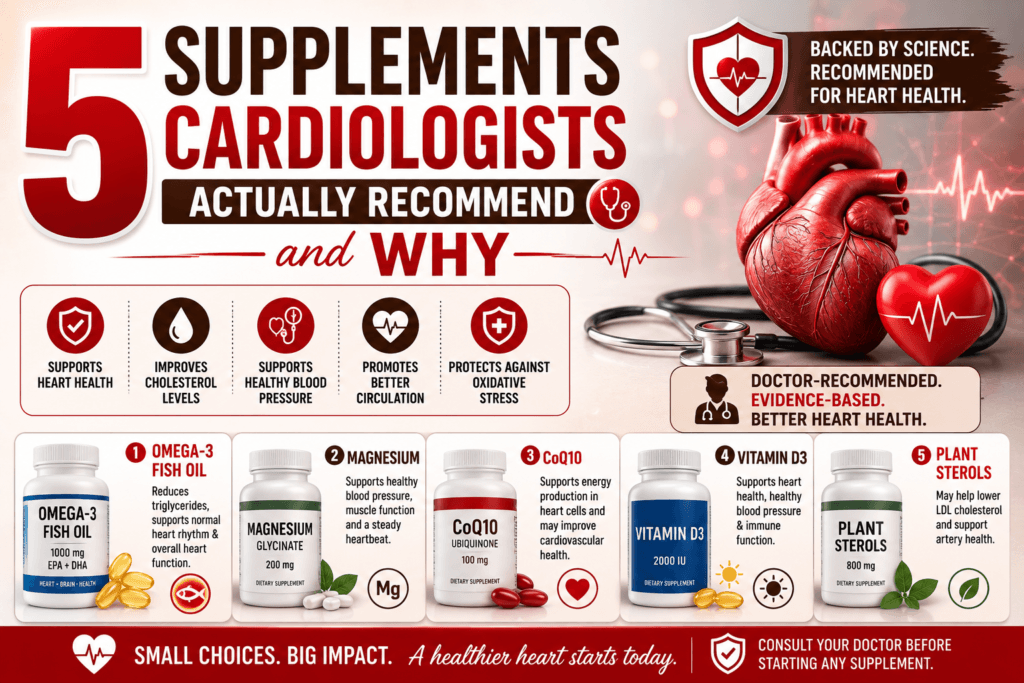
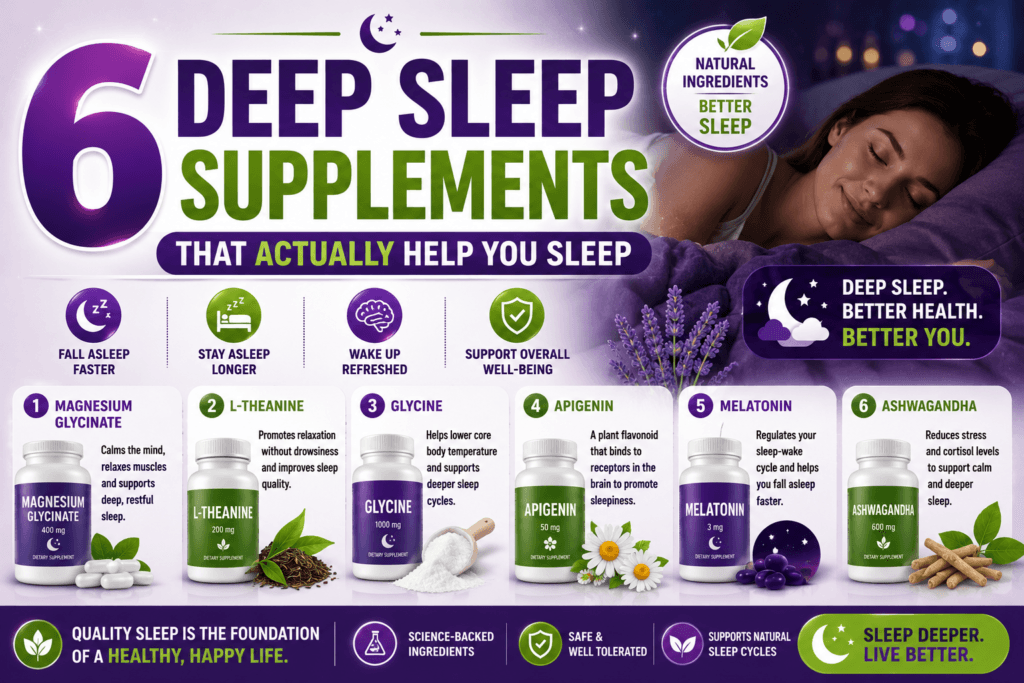
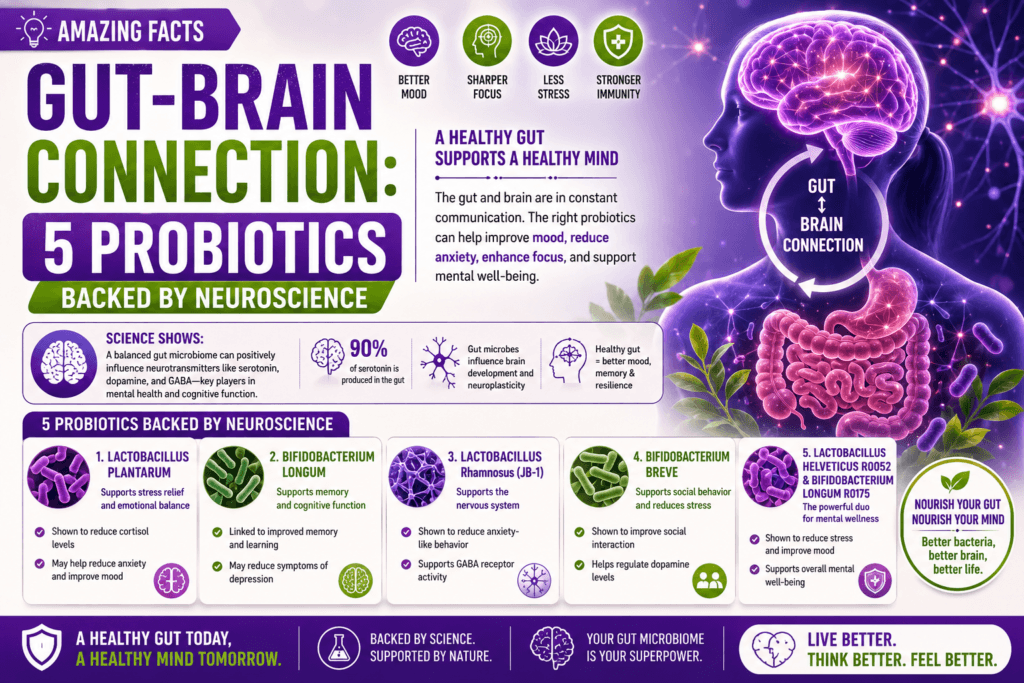
What to take instead of a random multivitamin
When people ask me what to take instead, I usually say this: start with what is most likely to matter for you. Not what is trending. Not what your coworker takes. Not the supplement with the loudest marketing.
These are the most common targeted options people discuss with a clinician or nutrition professional:
- Vitamin D if your blood work shows you are low or if you get very little sun.
- Magnesium glycinate for people who may benefit from better intake, especially if sleep, muscle tension, or stress are issues.
- Omega-3s if you rarely eat fatty fish.
- Vitamin B12 for vegans, some vegetarians, and older adults who may absorb less from food.
- Creatine for strength, muscle, and healthy aging support, especially if you exercise.
- Fiber if your meals are low in plants, beans, oats, or seeds.
- Protein when your diet is not giving you enough to support muscle and recovery.
The goal is simple: stop guessing. If you already know you are low in something, supplementing that one thing is often smarter than swallowing a long list of nutrients you may not need.
How to figure out what your body actually needs
This is where preventive health gets practical. You do not need to become your own lab scientist, but you do want a few data points. A good approach looks like this:
- Look at your food first. Ask yourself how often you eat protein, leafy greens, beans, eggs, fish, fruit, nuts, and whole grains.
- Review your symptoms. Low energy, brittle nails, poor sleep, muscle cramps, or brain fog can be clues, but not diagnoses.
- Check your labs. Ask your clinician about nutrient-related blood work if it makes sense for your age, diet, and health history.
- Choose one thing at a time. Add the right supplement, then give it a few weeks before deciding if it helps.
- Reassess. The best plan is the one you can test and adjust.
If you want to build a better routine, you may also like my internal guides on food-first nutrition and how to read your labs.
How AI can help with preventive health
This is where things get interesting. I love using AI as a thinking partner, not a doctor. It can help you spot patterns faster than you might on your own.
For example, you can paste in your sleep notes, food log, or lab numbers and ask AI to help you organize questions for your next appointment. You can ask it to summarize patterns like, Do my symptoms seem to flare when I skip breakfast? Or what should I ask my clinician about these results?
That kind of support is powerful for preventive health because it helps you notice trends early. It can also save time if you are trying to decide whether your symptoms are more likely linked to food, sleep, stress, or a nutrient gap. Just remember: AI can help you think, but it should not replace medical advice.
If this topic interests you, I also recommend reading AI for preventive health so you can use technology in a smart, simple way.
A simple supplement strategy that actually makes sense
Here is the strategy I would choose if I wanted to keep things calm and effective:
- Step 1: Tighten up your meals first. Supplements work better on top of a decent foundation.
- Step 2: Identify one clear gap.
- Step 3: Pick a high-quality product with a form your body can use.
- Step 4: Track how you feel for 4 to 8 weeks.
- Step 5: Adjust based on labs, symptoms, and guidance from a trusted professional.
That is the big shift: from random to intentional.
A gentle reminder
If you are pregnant, breastfeeding, taking prescription medication, managing a medical condition, or following a restrictive diet, do not guess your way through supplements. Talk with a qualified professional before changing anything. The best preventive health plan is personalized, not trendy.
And if you are feeling overwhelmed, start smaller. You do not need ten bottles. You need a plan you can stick with.
My honest advice: spend less time buying pills and more time collecting clues. Eat real food. Check your labs. Use AI to organize your questions. Then use supplements with purpose.
FAQ
Are multivitamins ever useful?
Yes, sometimes. They may help people with limited diets, older adults, or anyone who has trouble meeting nutrient needs from food. But for many healthy adults, they are not the most effective option.
What is the best supplement to take instead?
There is no single best supplement for everyone. The smarter choice is the one that matches a real need, such as vitamin D, magnesium, B12, omega-3s, creatine, fiber, or protein support.
Can AI really help with health decisions?
AI can help you organize your notes, summarize lab results, and prepare better questions for your clinician. It is a support tool, not a diagnosis tool.
Should I stop my multivitamin today?
Not necessarily. If you are unsure, ask your clinician or pharmacist, especially if you have health conditions or take medications. The main goal is to make sure your supplement matches your actual needs.
For more evidence-based supplement guidance, you can also explore the Harvard Nutrition Source and the NIH Office of Dietary Supplements.
If this post helped you, take one small step today: review your meals, check your labs if needed, and choose a targeted plan instead of another random bottle.
Frequently Asked Questions
If multivitamins are mostly useless, why do so many people still take them?
Because they can feel like an easy insurance policy. A multivitamin is simple, cheap, and emotionally reassuring, especially when you want to believe you are covering all your bases. But that feeling does not always match the science. For many healthy adults, the benefit is small unless there is a real deficiency or a specific life stage that increases needs.
Are there any situations where a multivitamin actually makes sense?
Yes, in some cases they can be a reasonable backup, especially if your diet is inconsistent or you have trouble eating enough variety. They may also help when a clinician recommends one due to a known gap, limited appetite, or certain medical situations. The key is that they should support a real need, not replace a better nutrition plan.
Why is taking one targeted supplement often better than taking a multivitamin?
Because targeted supplements give enough of the nutrient that is actually low, instead of spreading small amounts across many nutrients you may already get from food. If your issue is low vitamin D, iron, B12, or magnesium, a multivitamin may not provide enough to matter. Specific problems usually respond better to specific solutions.
How do I know whether my symptoms are from a nutrient deficiency or something else?
Symptoms like fatigue, brain fog, poor sleep, or cramps can overlap with stress, poor sleep, dehydration, thyroid issues, and many other causes. They are clues, not proof. The best next step is to look at your diet, then use labs and a clinician’s guidance to confirm whether a deficiency is actually present.
Can multivitamins cause problems if I take other supplements too?
They can, because the extra vitamins and minerals may add up, especially with fat-soluble vitamins or minerals like iron and zinc. That is one reason random stacking is not ideal. If you already take omega-3s, magnesium, vitamin D, or B12, a multivitamin may be unnecessary or even push certain nutrients too high.
What should I prioritize first if I want better health without relying on supplements?
Start with the basics: enough sleep, a protein-rich diet, regular movement, stress management, and enough fiber and plants. Those habits affect energy, recovery, mood, and long-term health far more than a generic pill. Supplements can fill gaps, but they work best after the foundation is already in place.