
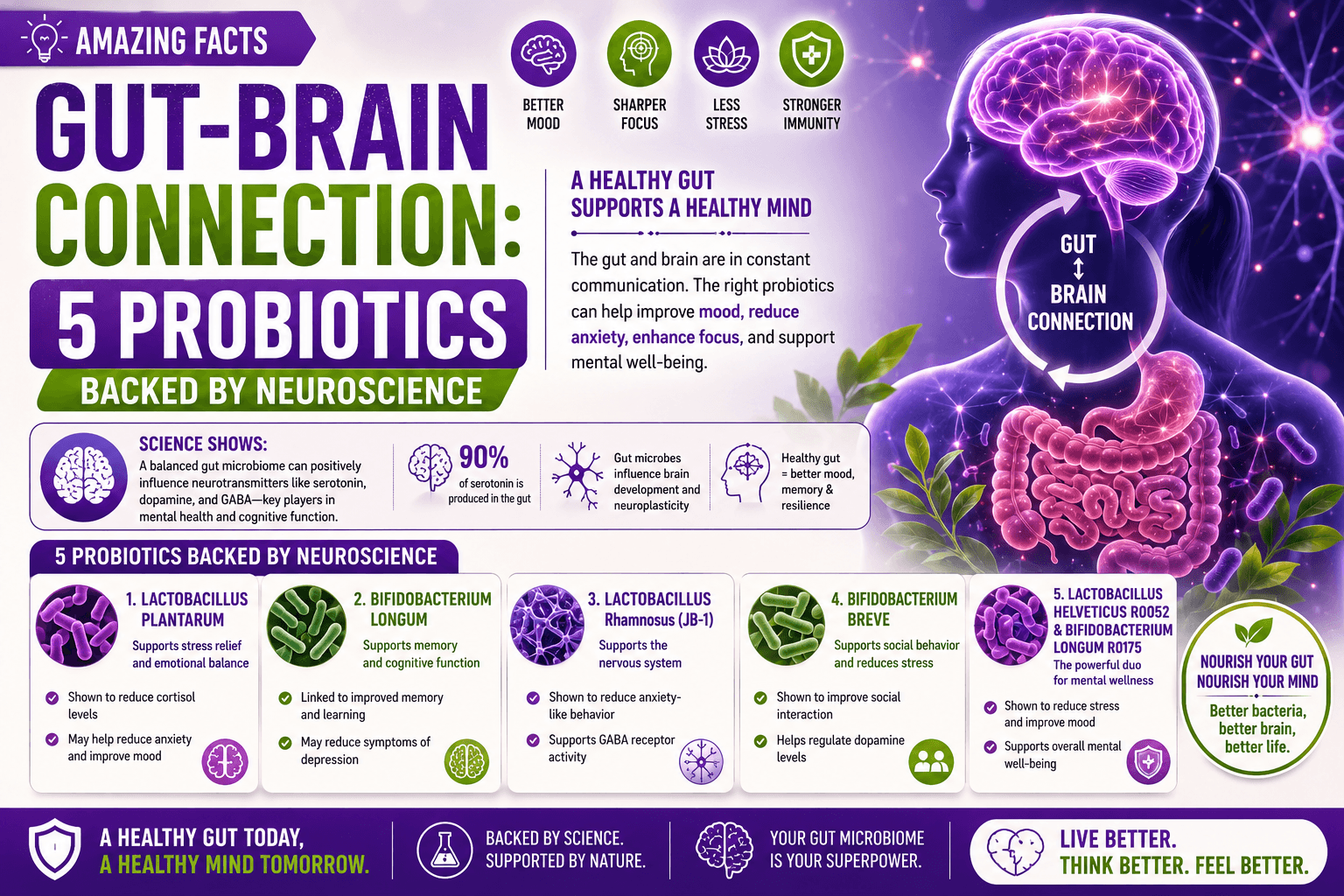
A few years ago, I noticed something many people can relate to: when my stomach felt off, my mood and focus usually went with it. One day I would blame stress, and the next day I would realize my digestion had been noisy for days. If that sounds familiar, you are not imagining it. The gut and brain are in constant conversation, and one of the simplest ways to support that connection is through smart food choices, better tracking, and the right probiotic support.
This guide is for health enthusiasts, curious beginners, and anyone who wants practical preventive health advice without the hype. If you are exploring AI-powered supplement guidance, simple tracking, and better gut health, you are in the right place. We will look at what the gut-brain connection means, which probiotic strains are getting the most attention in 2026, and how AI tools can help you spot patterns before small issues grow into bigger ones.
What the gut-brain connection really means
Your gut and brain talk through several pathways: the vagus nerve, the immune system, hormones, and the trillions of microbes living in your digestive tract. That means your gut can influence stress, sleep, energy, cravings, and even how clear your thinking feels. It also means your daily habits matter. What you eat, how well you sleep, how you manage stress, and how often you move can all affect your microbiome.
OTHER RELEVANT BLOG POST



In plain language, a healthier gut often supports a steadier mind. It is not magic, and it is not a cure-all. But it is a real part of preventive health, which is why more people are paying attention to it now.
Top 5 probiotics backed by neuroscience in 2026
Research keeps evolving, but these strains continue to show up in studies on stress, digestion, and resilience. A quick reminder: probiotic response is personal, and the strain matters more than the brand name.
Lactobacillus helveticus R0052 + Bifidobacterium longum R0175
Why it stands out: This combo is often studied for stress support and emotional balance. People like it because it has been linked in some trials with calmer day-to-day functioning.
Bifidobacterium longum 1714
Why it stands out: This strain has been connected in research to stress response and aspects of cognitive performance. It is one of the more interesting options if your main goal is mental resilience.
Lactobacillus plantarum 299v
Why it stands out: A favorite for gut comfort, bloating support, and a calmer-feeling digestive system. When the gut settles down, many people notice their mood feels steadier too.
Bifidobacterium infantis 35624
Why it stands out: This strain is often discussed in the gut-immune space and may support inflammatory balance, which matters because inflammation can affect how you feel day to day.
Lactobacillus rhamnosus GG
Why it stands out: One of the best-known strains for gut barrier support and everyday digestive resilience. It is a solid option if you want a well-studied, practical place to begin.
If you want to go deeper into the science, the NCCIH probiotics overview is a helpful place to start, and this NIH resource can help you stay grounded in evidence instead of marketing claims.
OTHER RELEVANT BLOG POST


How to choose a probiotic without getting overwhelmed
If you have ever stood in front of a supplement shelf and felt your eyes glaze over, you are not alone. Here is the simple version I would give a friend:
- Look for the strain, not just the species. “Lactobacillus” alone is too vague. The strain code matters.
- Check the expiration date. A probiotic is only useful if the bacteria are still alive and active.
- Start with one goal. Are you trying to support digestion, stress, or both?
- Pay attention for 2 to 4 weeks. Give your body time to respond before you judge it.
- Pair it with food habits. Probiotics work better when your meals also support your gut.
3 simple steps to support your gut and brain this week
Eat one more gut-friendly meal a day.
Add fiber-rich foods like beans, oats, berries, leafy greens, or fermented foods such as yogurt, kefir, kimchi, or sauerkraut.
Track your patterns.
Use a notebook, a notes app, or an AI tool to log meals, sleep, mood, stress, and digestion. If you notice that certain foods leave you bloated or foggy, that is useful information.
Pick one probiotic strategy and test it.
Choose one product or one food source and stay consistent long enough to notice changes. Simple beats random every time.
How AI can help with preventive gut health
This is where modern tools can be genuinely helpful. AI is not here to diagnose you, but it can help you organize what your body is telling you. For example, you can paste in a week of notes about meals, sleep, stress, and bowel habits, then ask an AI assistant to highlight patterns. That can make it easier to spot things like:
- Which meals leave you bloated
- Whether poor sleep affects cravings
- How stress changes digestion
- Which foods seem to improve your energy
If you like using technology to stay on track, this is a smart preventive health habit. Think of AI as a pattern finder, not a replacement for professional care.
My practical advice if you are just starting
Do not try to fix everything at once. That is usually where people get frustrated and quit. Start with one probiotic, one tracking habit, and one food upgrade. Then give yourself a few weeks of honest observation.
If you want a gentle place to begin, pair a probiotic with a breakfast that includes protein and fiber, drink enough water, and keep a simple daily note on how you feel. Small routines can create surprisingly big shifts over time.
Frequently asked questions about gut-brain connection probiotics
Can probiotics really help mood and focus?
For some people, yes. Research suggests certain probiotic strains may support stress response, digestion, and overall well-being. Results vary, so consistency and the right strain matter.
How long does it take to notice a difference?
Many people give a probiotic 2 to 4 weeks before deciding whether it helps. Some notice changes sooner, while others need more time.
Should I take probiotics every day?
That depends on the product and your health goals. Many probiotic routines work best when taken regularly, but it is always smart to follow the label and talk with a qualified professional if you have medical concerns.
Can food alone support the gut-brain connection?
Yes, food matters a lot. Fiber-rich plants, fermented foods, good hydration, sleep, and stress management all support a healthier microbiome.
Are probiotics safe for everyone?
Not always. Most healthy adults tolerate them well, but people with serious health conditions, weakened immune systems, or ongoing symptoms should check with a healthcare professional first.
Final thoughts: start small, stay consistent, and listen to your body
The gut-brain connection is one of those topics that becomes more interesting the more you pay attention to your own body. If your digestion, mood, and focus seem linked, that is worth exploring with simple, steady habits. Choose one probiotic strategy, track your results, and give your body a fair chance to respond.
If this post helped you, the next step is easy: pick one small action today and stick with it for the next 30 days. That is how preventive health really works. Not perfection. Just progress.
Frequently Asked Questions
How do I know if my mood or focus issues are actually tied to my gut?
A gut link is more likely when your mental shifts appear together with bloating, irregular stools, food sensitivities, or symptoms that change after meals. The article’s point is not that every mood dip is digestive, but that patterns matter. Tracking sleep, food, stress, and gut symptoms together can reveal whether your digestive system is part of the picture.
Is it better to choose one probiotic strain or a multi-strain formula?
For the kind of support discussed here, one well-studied strain or a clearly defined pair is often easier to evaluate than a broad blend. The key is knowing exactly what you are taking and why. Multi-strain products can be fine, but if the label is vague, it becomes harder to tell which strain is actually helping.
How long should I try a probiotic before deciding if it works?
Most people need consistency before judging results, especially for gut-brain effects that may show up indirectly through sleep, stress, or digestion. A practical approach is to track changes for a few weeks and reassess around 4 to 8 weeks. If nothing shifts, the strain, dose, or your baseline habits may need adjustment.
Can probiotics help if my main problem is stress rather than digestion?
Yes, but the response is often indirect and varies by strain. Some options in the article, like Lactobacillus helveticus R0052 with Bifidobacterium longum R0175 or Bifidobacterium longum 1714, are studied for stress-related outcomes. Still, probiotics are most useful as part of a broader routine that includes sleep, food quality, and stress management.
What should I look for on the label so I do not buy the wrong product?
Look for the full strain name, not just the species, because benefits are strain-specific. A useful label should also list the CFU count, expiration date, and storage instructions. If a bottle only says Lactobacillus or Bifidobacterium without the strain code, it is too generic to match the research discussed in the article.
How can a food and fitness journal improve probiotic results?
A journal helps you spot patterns that are easy to miss, such as worse symptoms after poor sleep, high stress, or certain meals. That matters because probiotics do not work in isolation. When you track digestion, mood, energy, and habits together, you can tell whether a product is truly helping or whether another lifestyle factor is driving the change.