A few winters ago, I kept telling myself I was just ‘busy’ when my energy kept crashing by 2 p.m. Coffee helped for a little while, but then came the brain fog, brittle nails, and a weird loss of motivation I couldn’t shake. That was my wake-up call to pay attention to vitamin deficiency signs instead of brushing them off. If you want a simple way to track your meals, energy, and daily habits, start here: 90 DAYS FOOD AND FITNESS JOURNAL.
What vitamin deficiency really looks like:
Vitamin deficiency symptoms don’t always show up in dramatic ways. More often, they creep in slowly: low energy, mood changes, skin issues, hair shedding, or getting sick more often than usual. These nutrient deficiency symptoms can also overlap with stress, poor sleep, dehydration, and vitamin and mineral deficiency, which is why they’re easy to miss. The good news? Once you know what to look for, you can spot patterns earlier and take action sooner.
Think of your body like a dashboard. When several warning lights come on at once, it’s worth checking what’s happening under the hood. That’s especially true if you’re interested in preventive health and like using AI tools to make sense of trends. A simple food log, symptom tracker, or AI-powered journaling app can help you notice patterns before they become bigger problems.
OTHER RELEVANT BLOG POST


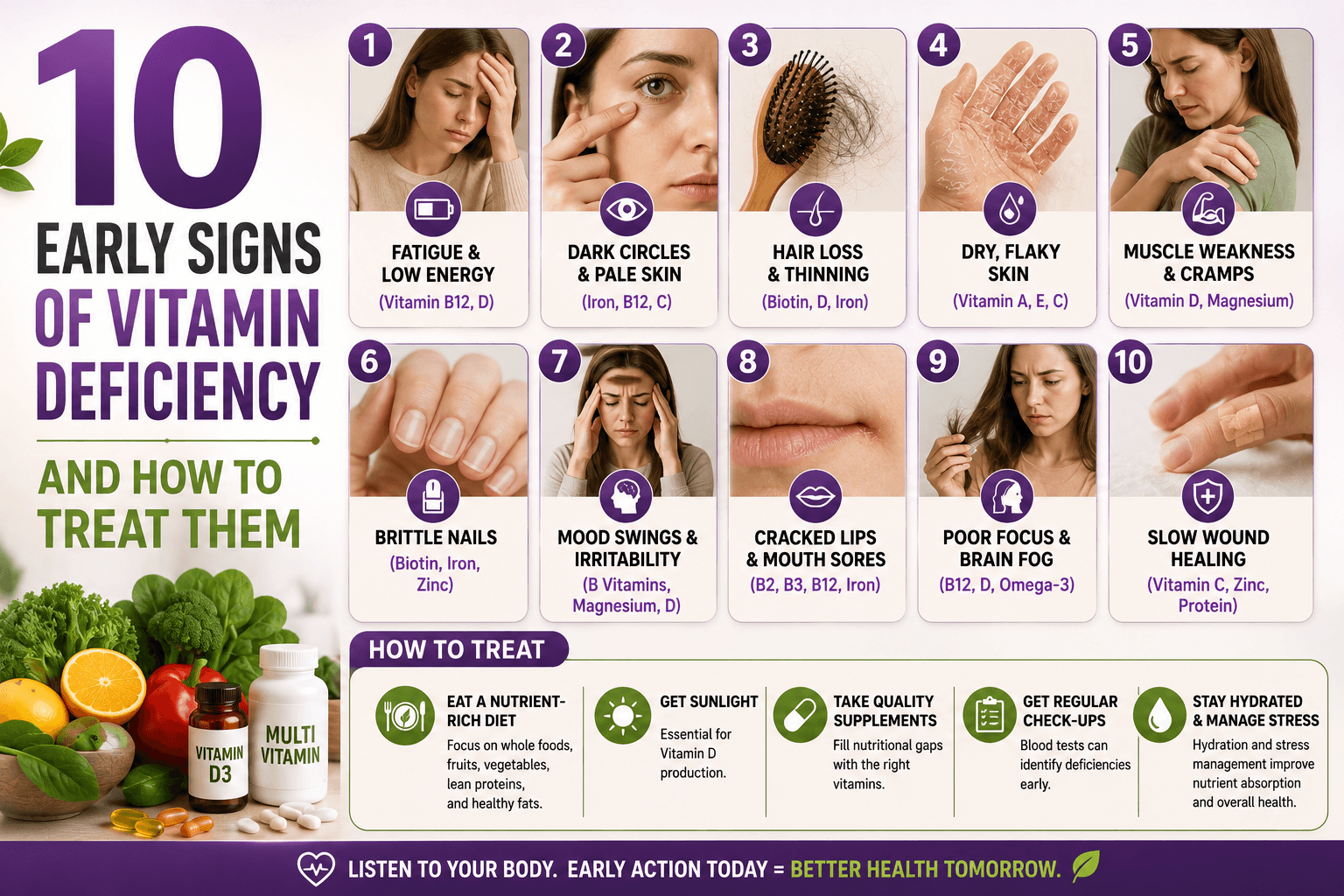
10 early signs of vitamin deficiency to watch for
- Constant fatigue. If rest, hydration, and sleep aren’t helping, your body may not be getting enough of the vitamins it needs to make energy efficiently.
- Brain fog or trouble focusing. Foggy thinking is one of the most common vitamin deficiency symptoms, especially when B vitamins or vitamin D are low.
- Brittle nails and hair shedding. Weak nails, thinning hair, and dry skin can be early signs that your nutrient intake needs a closer look.
- Cracks at the corners of the mouth. These small but painful splits can point to B vitamin issues or other nutritional deficiencies.
- Frequent colds or slow recovery. If you seem to catch every bug going around, your immune system may be asking for more support.
- Muscle weakness or cramps. This can happen when vitamin deficiency symptoms start affecting nerves, muscles, or overall energy production.
- Numbness or tingling. A pins-and-needles feeling, especially in the hands or feet, should never be ignored.
- Pale skin or dizziness. This can happen with some common vitamin deficiencies and is worth checking promptly if it’s new or worsening.
- Dry eyes or night vision problems. Vision changes can be a clue that a vitamin deficiency needs attention.
- Mood changes, irritability, or low mood. Nutrition matters for the brain, and several vitamin deficiency signs can show up emotionally before they show up physically.
Common early signs of vitamin deficiencies and why they happen
Some common vitamin deficiencies show up more often than others. The most talked-about ones include vitamin D, vitamin B12, folate, vitamin C, vitamin A, and vitamin B6. In many people, the issue is not just one bad meal. It’s a pattern.
Vitamin deficiency causes can include:
- Eating too little variety, especially on very restrictive diets
- Low sun exposure, which can affect vitamin D
- Poor absorption from gut issues, acid reflux medications, or other health conditions
- Increased needs during pregnancy, stress, illness, or healing
- Alcohol use, smoking, or a highly processed diet
- Skipping meals or not eating enough overall
If you want deeper reading, these trusted sources are a great starting point: the NIH Office of Dietary Supplements on vitamin B12 and vitamin D. For a broader overview of nutrient needs, MedlinePlus is also helpful: Vitamins and minerals.
How to identify vitamin deficiency
When people ask me how to identify vitamin deficiency, I usually suggest a simple three-part approach: notice, track, and test.
- Notice the pattern. Are you tired every afternoon? Getting mouth sores often? Losing hair? Write it down.
- Track food and symptoms together. This is where tools can really help. A journal, a nutrition app, or even an AI assistant can help you compare what you ate with how you felt over time.
- Ask for proper labs. A clinician can help decide whether blood tests are needed and which ones matter most for your symptoms.
For extra support, keep a quick note of sleep, hydration, workouts, stress, and meals. If you like organized guidance, read my preventive health checklist and food tracking guide. They can help you notice trends before they turn into bigger issues.
Vitamin deficiency treatment that actually helps
OTHER RELATED BLOG POST
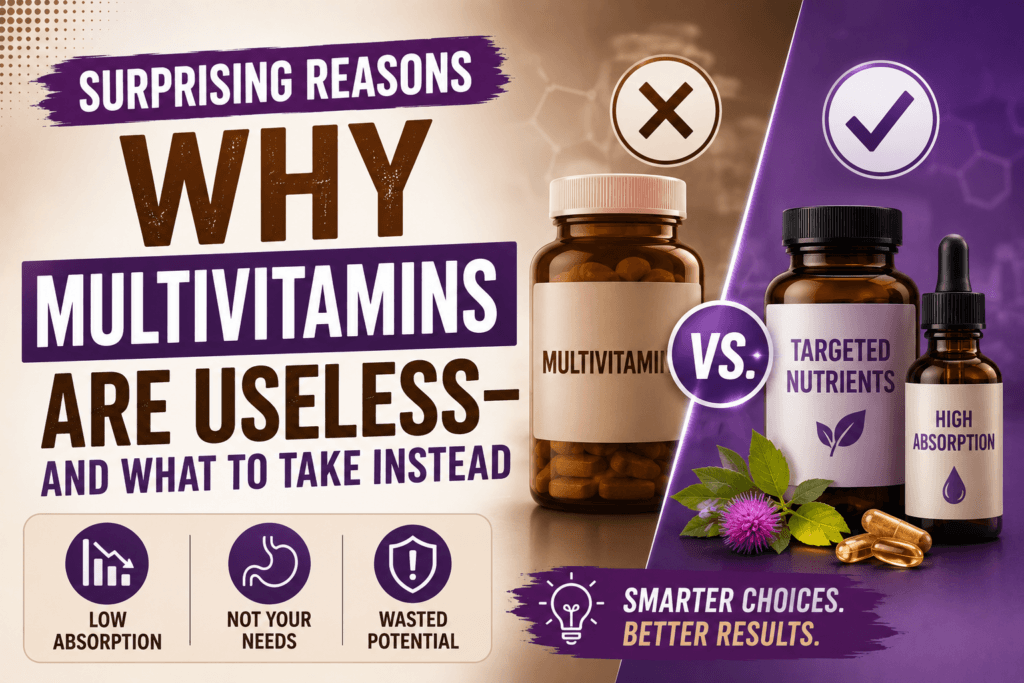
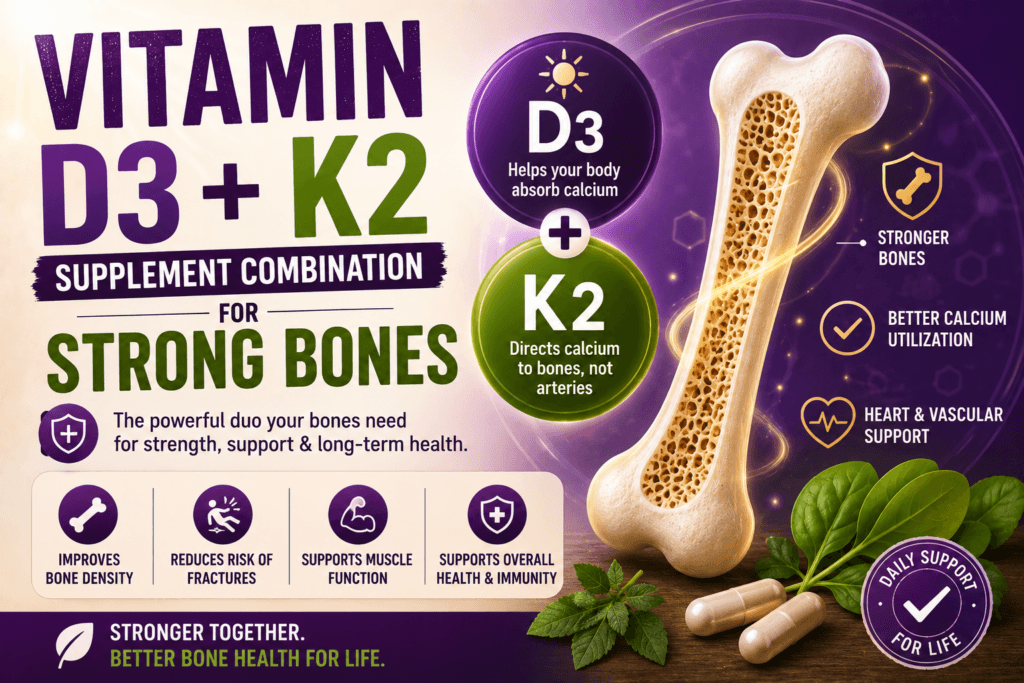
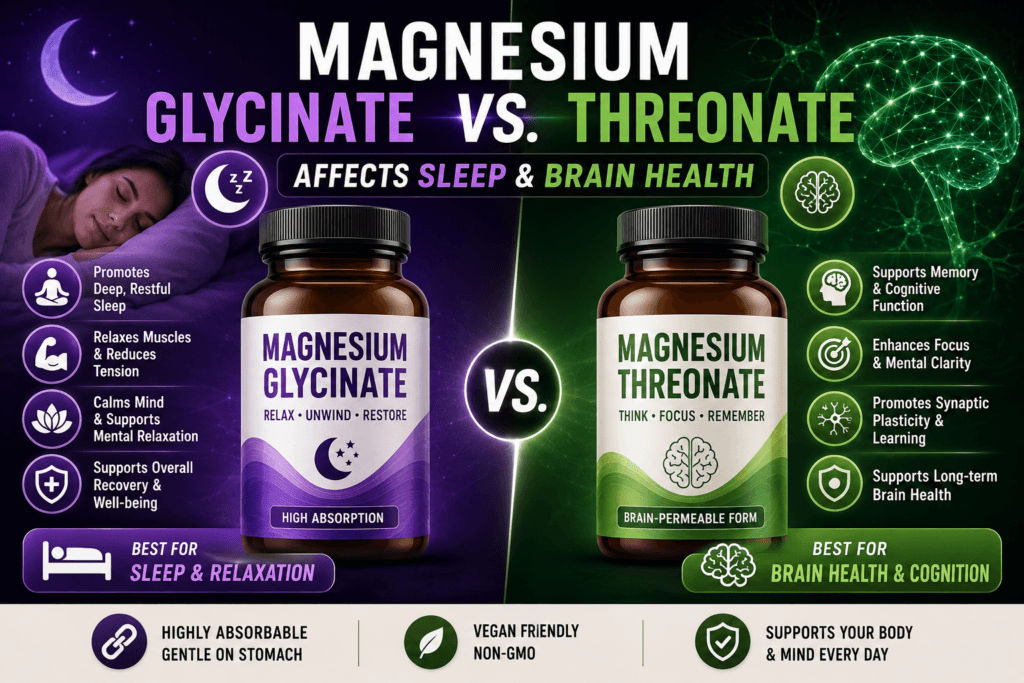
Vitamin deficiency treatment should be personal, not random. The best plan depends on which nutrient is low, how severe the deficiency is, and whether there’s an absorption issue involved.
- Start with food. Build meals around colorful produce, eggs, dairy or fortified alternatives, beans, fish, nuts, seeds, and whole grains.
- Use supplements wisely. If your clinician recommends them, take the right dose for the right amount of time.
- Fix the root cause. Sometimes the issue is low intake; sometimes it’s digestion, medication, or a health condition.
- Retest when needed. Follow-up testing helps you know whether the plan is working.
- Keep tracking. Your energy, sleep, mood, and digestion often improve before you even realize it.
If you and your healthcare professional decide a supplement makes sense, here’s a trusted place to start: BUY YOUR NATURAL SUPPLEMENTS
A simple preventive health routine you can start this week
- Eat at least one colorful vegetable or fruit at every meal.
- Include a protein source with breakfast to support energy and satiety.
- Get outside safely for sunlight and movement when possible.
- Drink enough water before reaching for another coffee.
- Track recurring symptoms for 14 days so patterns become easier to see.
- Use AI as a helper, not a diagnosis. It’s great for spotting trends, but labs and clinical advice still matter.
FAQ
What are the first vitamin deficiency signs I should not ignore?
Fatigue, brain fog, brittle nails, mouth sores, frequent infections, and mood changes are some of the earliest clues.
Can AI help with nutrient deficiency symptoms?
Yes. AI can help organize symptom notes, meal logs, and sleep patterns so you can notice trends faster. It should support, not replace, medical advice.
Are common vitamin deficiencies different for everyone?
Yes. Age, diet, medications, gut health, sun exposure, and lifestyle all affect which deficiencies are more likely.
Should I start supplements right away?
Not always. It’s best to identify the likely deficiency first, then choose the right supplement and dose with guidance.
When should I get checked?
If symptoms are persistent, getting worse, or affecting daily life, it’s time to talk to a healthcare professional and consider testing.
Final thoughts
Your body usually whispers before it shouts. The earlier you notice vitamin deficiency symptoms, the easier it is to correct them with food, smart tracking, and the right vitamin deficiency treatment. If something in this post sounded familiar, don’t ignore it. Start with your meals, track your energy, and ask for help when needed. Small steps now can protect your health for years.
Frequently Asked Questions
How can I tell if my symptoms are really from a vitamin deficiency and not just stress or poor sleep?
The biggest clue is pattern. Stress and sleep issues can cause fatigue or brain fog, but vitamin deficiency symptoms often persist even after rest, better hydration, and healthier routines. If several signs happen together, such as low energy, brittle nails, mouth cracks, or frequent colds, it is worth tracking them and discussing them with a clinician.
Which vitamin deficiencies are most likely behind brain fog and constant fatigue?
Brain fog and constant fatigue are commonly linked with low vitamin D and B vitamins, especially vitamin B12 and folate. That said, these symptoms can also come from not eating enough overall, poor absorption, or other health issues. If the problem keeps returning, a symptom log and blood testing can help narrow it down.
Do dry skin, hair shedding, and brittle nails always mean I need supplements?
Not always. Those signs can point to a nutrient gap, but they can also be caused by stress, seasonal changes, thyroid issues, or harsh hair and skin care. The article recommends noticing patterns rather than guessing. If the changes are ongoing or happen with other deficiency signs, testing is a better next step than self-treating.
What is the best way to identify a vitamin deficiency before it becomes serious?
The article suggests a simple three-step approach: notice the symptoms, track food and daily habits, and test if the pattern continues. A journal helps you see whether low energy, mood changes, or mouth sores line up with poor intake, low sun exposure, or skipped meals. That makes it easier to spot a real deficiency early.
Can a restrictive diet or healthy eating still lead to vitamin deficiency?
Yes. Even people who eat “healthy” can develop vitamin deficiency if their diet lacks variety, they eat too little, or they avoid key food groups. Restrictive diets, low appetite, gut absorption problems, and low sun exposure can all raise the risk. The issue is often a long-term pattern, not a single bad meal.