A few years ago, I noticed I was dragging through the afternoon, my nails felt weak, and my workouts suddenly felt harder than they should. I blamed stress at first, but I was also ignoring possible vitamin deficiency signs and other nutritional deficiencies. If you like keeping track of your habits, start here:
90-DAY FOOD AND FITNESS JOURNAL
That little wake-up call changed how I think about preventive health. No pill replaces healthy food, movement, sleep, and regular checkups, but the right supplements can help fill gaps that sometimes lead to bigger problems later. If you have ever wondered about signs of vitamin deficiency, Vitamin deficiency symptoms, or the difference between a true Vitamin and mineral deficiency and a rough week, this guide is for you.
Why vitamin and mineral gaps matter
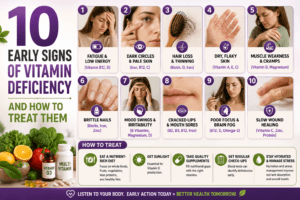
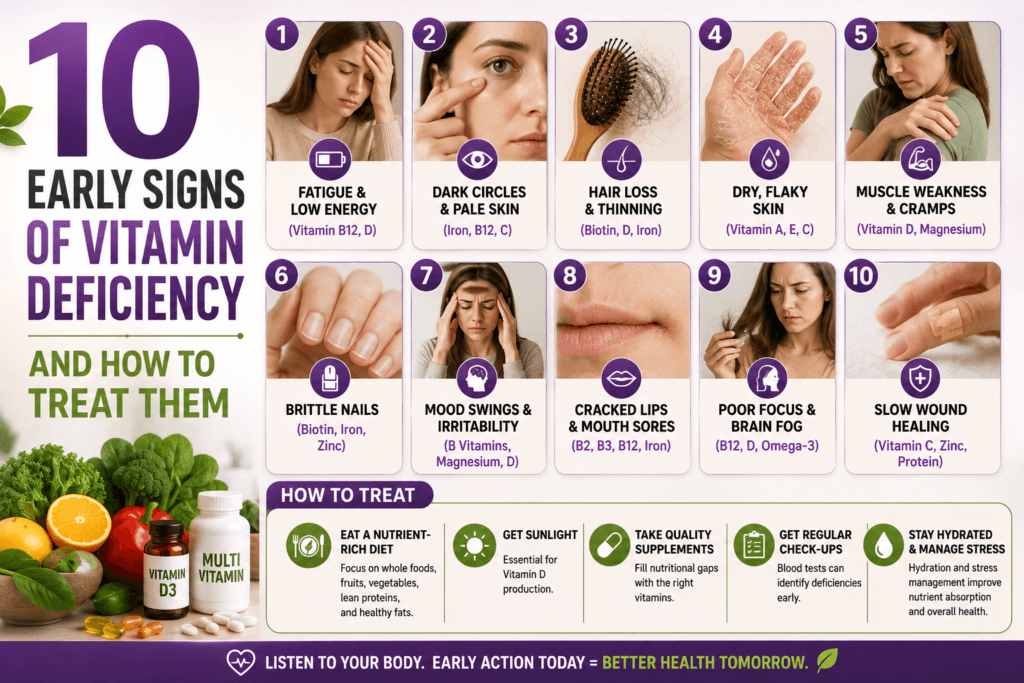
Nutrient deficiency symptoms can show up slowly. You might feel tired, foggy, cranky, or weaker in the gym. Some people notice hair shedding, brittle nails, dry skin, frequent colds, muscle cramps, poor focus, or trouble sleeping. Those are not proof of a deficiency on their own, but they are worth paying attention to.
Some common vitamin deficiencies include vitamin D, B12, folate, and sometimes low iron, magnesium, or zinc intake. Vitamin deficiency causes often include eating too few nutrient-rich foods, low sun exposure, digestive issues that affect absorption, certain medications, higher alcohol intake, food restrictions, and age-related changes. In other words, deficiencies are not just about what you eat; they are also about how your body uses what you eat.
OTHER RELEVANT BLOG POST

OTHER RELATED BLOG POST
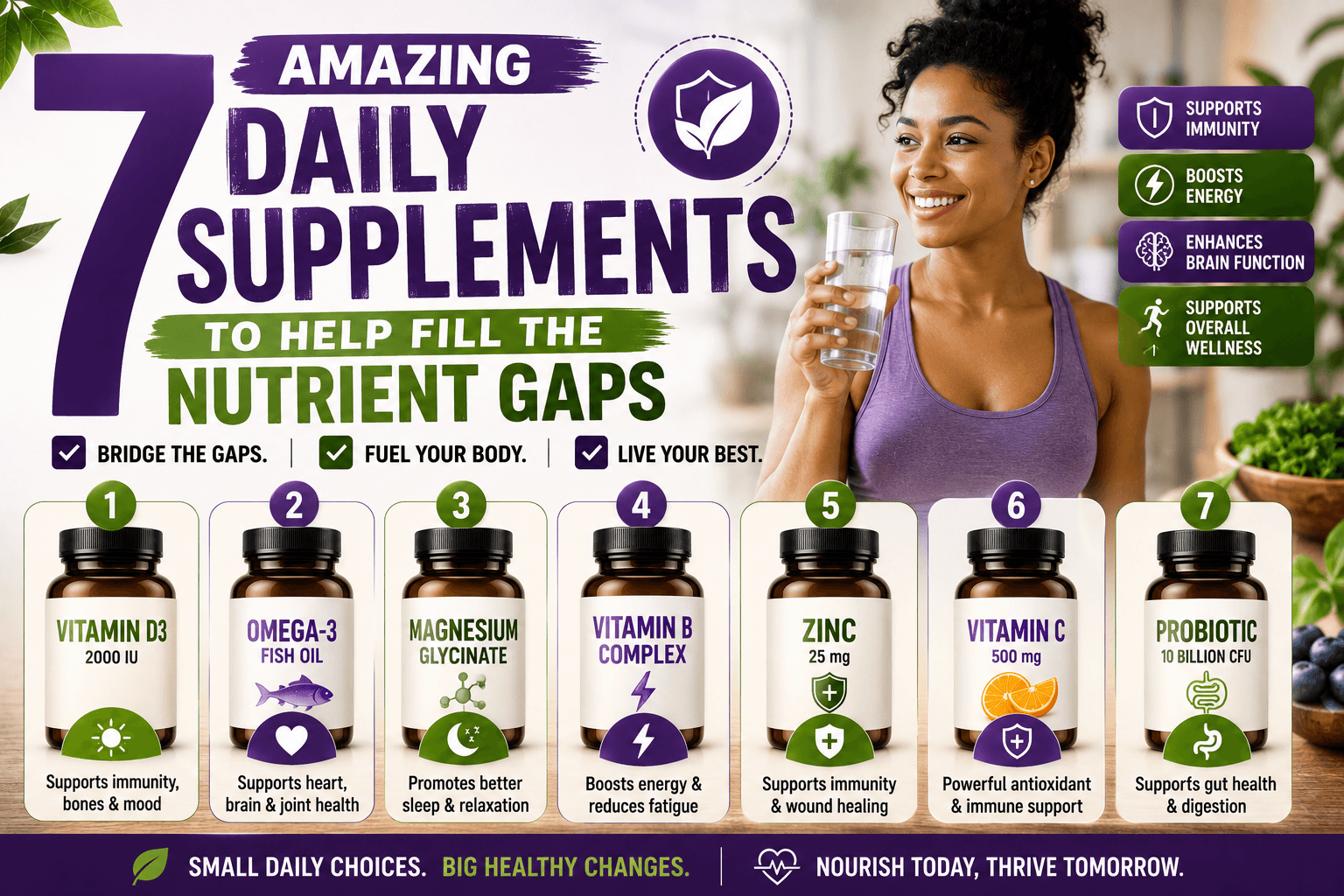
7 daily supplements that may support preventive health
Before adding anything new, think about your diet, your labs, and your personal risk factors. The goal is not to collect bottles. The goal is to be strategic.
1. Vitamin D3
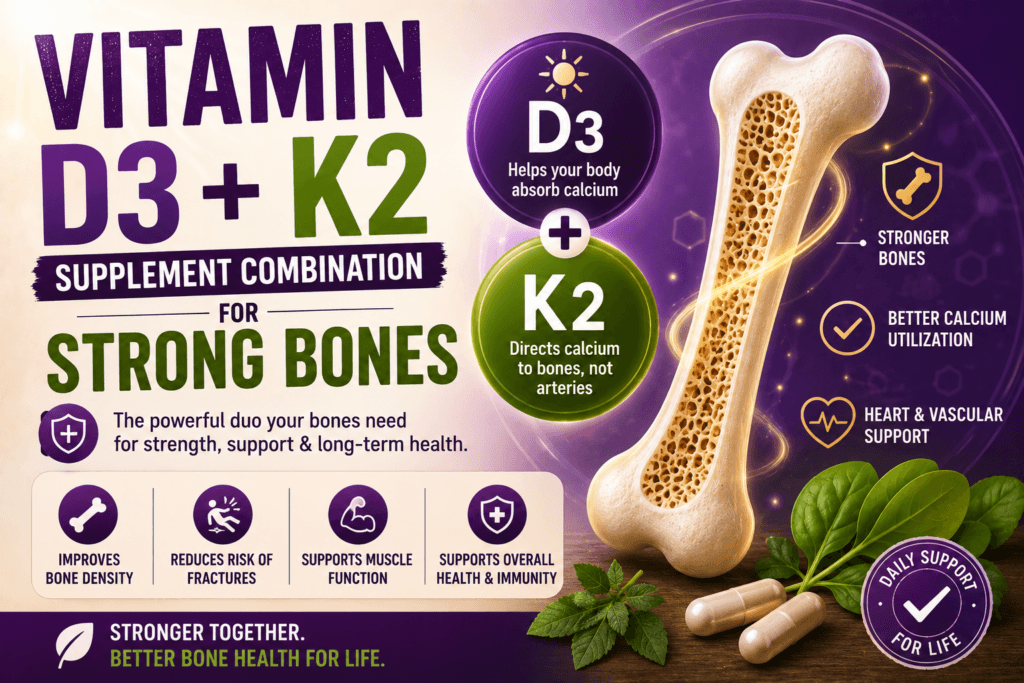
Vitamin D supports bones, immune function, and muscle health. Many adults get too little, especially if they live in colder climates, work indoors, or wear sunscreen regularly. Low vitamin D is one of the most talked-about common vitamin deficiencies. If you want to dig deeper, see my post on vitamin D deficiency signs.
2. Omega-3 fish oil or algae oil
Omega-3s are not vitamins, but they are one of the daily supplements many people consider for heart and brain health. They may help support healthy triglycerides and healthy inflammation levels. If you do not eat fatty fish often, this one may be worth asking about with your clinician.
3. Magnesium
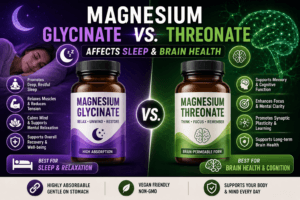
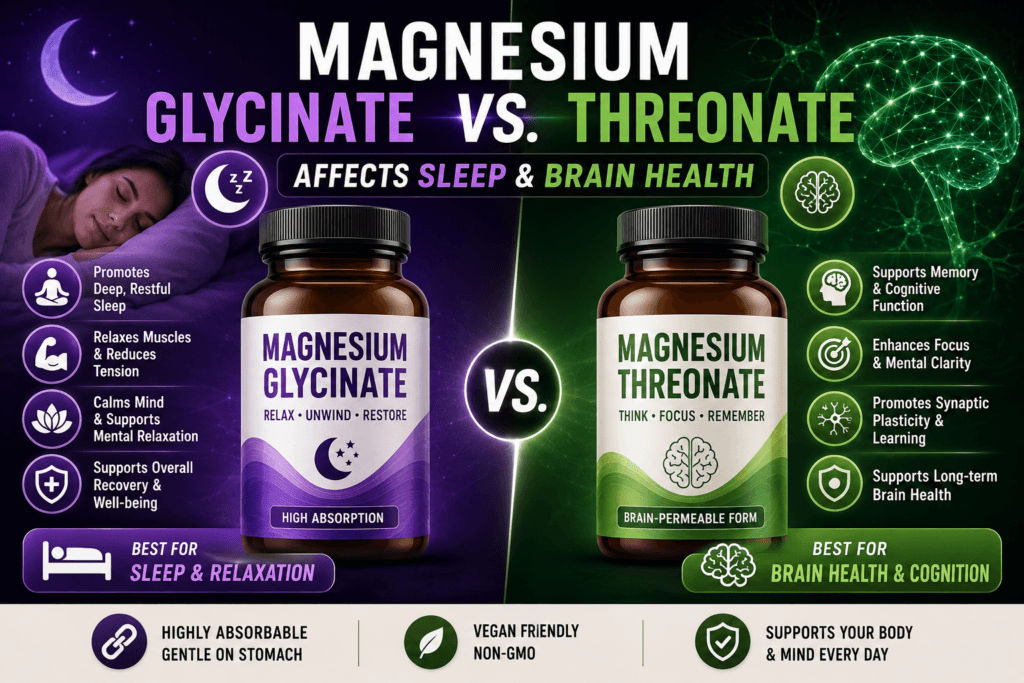
Magnesium is involved in hundreds of processes in the body, including sleep, muscle function, nerve signaling, and blood sugar support. Low intake is common, especially if your diet is short on nuts, seeds, beans, and leafy greens. Some people notice cramps, twitching, or poor sleep when magnesium is low.
4. Vitamin B12
B12 is especially important for energy, nerves, and red blood cells. Older adults, vegans, vegetarians, and people with absorption issues are more likely to need it. If you are tired, weak, or have tingling in your hands or feet, it is smart to ask about testing. This is where vitamin deficiency treatment should always be guided by the actual cause, not guesswork.
5. Fiber supplements
Fiber is one of the simplest ways to support gut health, blood sugar balance, and cholesterol levels. Many people fall short, even when they think they eat well. A daily fiber supplement like psyllium can help, especially if your meals do not include enough beans, oats, vegetables, or fruit.
6. Probiotics
Probiotics may help some people with digestion and gut balance. They are not magic, and they are not right for everyone, but they can be useful after antibiotics or during periods when your gut feels off. Think of them as support, not a cure-all.
7. A quality multivitamin or mineral formula
A good multivitamin or mineral supplement can help fill small gaps in a busy life. It is not a replacement for food, but it can be a practical backup on days when your eating is less than ideal. If you already know you have a deficiency, targeted treatment is usually better than a random blend.
How to identify vitamin deficiency before it gets worse
If you are trying to figure out how to identify vitamin deficiency, start with patterns. One bad day does not mean much. A pattern of low energy, constant cravings, brain fog, frequent illness, dry skin, hair loss, or muscle cramps may point toward a nutrient issue.
Here is a simple 4-step method:
- Track your symptoms. Write down what you feel, when it happens, and how often it shows up.
- Review your food intake. Look for missing nutrients, skipped meals, low protein, or very limited variety.
- Check risk factors. Age, medications, digestion issues, low sun exposure, and restrictive diets can all affect nutrient status.
- Get lab work if needed. A clinician can confirm whether you have a vitamin or mineral problem and guide the next step.
This is where technology can help. I like using AI-based food trackers, symptom journals, and wearable data as a simple pattern detector. AI is not a diagnosis, but it can help you notice that your energy crashes every time you skip breakfast or that your sleep gets worse when your magnesium intake is low. If you want more on that, read AI in preventive health.
Vitamin deficiency treatment should be targeted
The best vitamin deficiency treatment usually starts with the cause. Sometimes the fix is more vegetables, more protein, more sunlight, or a better meal routine. Sometimes it is a supplement. Sometimes it is both. If absorption is the issue, you may need a different form or dose. If a medication is affecting absorption, your clinician may adjust the plan. The main point is simple: do not guess.
For trustworthy references, I like the NIH Office of Dietary Supplements at ods.od.nih.gov, MedlinePlus at medlineplus.gov, and the CDC nutrition pages at cdc.gov/nutrition. These are great places to cross-check supplement information before you buy anything.
My simple preventive health checklist
- Eat a wide range of protein, vegetables, fruit, whole grains, and healthy fats.
- Pay attention to Vitamin deficiency symptoms that keep coming back.
- Use a food journal to spot missing nutrients.
- Ask your healthcare provider about labs if symptoms persist.
- Choose supplements based on need, not hype.
That is how I think about preventive health: not fear, not perfection, just steady awareness and better choices over time. If you are dealing with possible Vitamin deficiency signs, remember that the body often whispers before it shouts. Listening early can save you a lot of frustration later.
FAQ
What are the most common vitamin deficiencies?
Vitamin D and B12 are two of the most common ones people ask about, but folate and other nutrient gaps can also happen. Some people also have low mineral intake, which is why a broader look at vitamin and mineral deficiency matters.
What are early signs of vitamin deficiency?
Early signs can include fatigue, brain fog, poor sleep, brittle nails, hair shedding, muscle cramps, and getting sick often. These are common Signs of vitamin deficiency, but they can also happen for other reasons, so testing is helpful.
Can AI help with preventive health?
Yes, AI can help you spot patterns in food logs, symptom trackers, and wearable data. It cannot diagnose a deficiency, but it can make it easier to notice trends and ask better questions at your next appointment.
Should I take supplements every day?
Not always. Daily supplements make sense for some people and not for others. The smartest approach is to match the supplement to your diet, lab results, age, and health goals.
If you remember only one thing, let it be this: pay attention to your body early, use data when you can, and choose supplements with a purpose. That is a much better plan than waiting until symptoms become harder to ignore.
Frequently Asked Questions
Should I start taking these supplements just because I feel tired or run down?
Not necessarily. Fatigue, brain fog, and weak workouts can come from sleep debt, stress, under-eating, poor hydration, or an underlying condition, not just nutrient gaps. The article’s point is to look for patterns and risk factors, then confirm with labs or a clinician when needed before adding supplements blindly.
How do I know whether I need a multivitamin or individual supplements like vitamin D, B12, or magnesium?
It depends on your diet, age, medications, and lab results. Individual supplements are better when there is a known or likely gap, such as low B12 in vegans or low vitamin D with limited sun exposure. A multivitamin can be a reasonable backup for small gaps, but it usually won’t correct a significant deficiency on its own.
Can omega-3, probiotics, or fiber supplements replace eating better food?
No. They can support specific goals, but they do not replace a balanced diet. Fiber supplements may help if you consistently fall short, probiotics may be useful in certain situations, and omega-3s can help when fish intake is low. Still, food habits remain the main driver of long-term health.
Is it possible to take the wrong form of a supplement and get little benefit?
Yes. Form matters. For example, vitamin B12 is often better suited to people with absorption issues when the dose and form are chosen carefully, and magnesium compounds differ in how well they are tolerated. Omega-3 source also matters if you are vegan. Choosing the right form can make a real difference in usefulness and side effects.
Do all of these supplements need to be taken every day?
Not always. Some people benefit from daily use, while others only need certain supplements based on their diet, season, or test results. For example, vitamin D may be more relevant in winter, and probiotics may be temporary after antibiotics. The safest approach is to match the supplement to the need rather than taking everything routinely.