A few years ago, I was that person who kept telling myself, “I eat pretty well, so I probably don’t need a multivitamin.” Then life got busy, my meals got less balanced, and I noticed the kind of tiredness that sleep didn’t fully fix. That experience made me pay more attention to vitamin deficiency signs and the quiet ways nutritional deficiencies can show up long before we think to test for them.
And if you want a simple way to pay attention to your own habits, I made this for you:
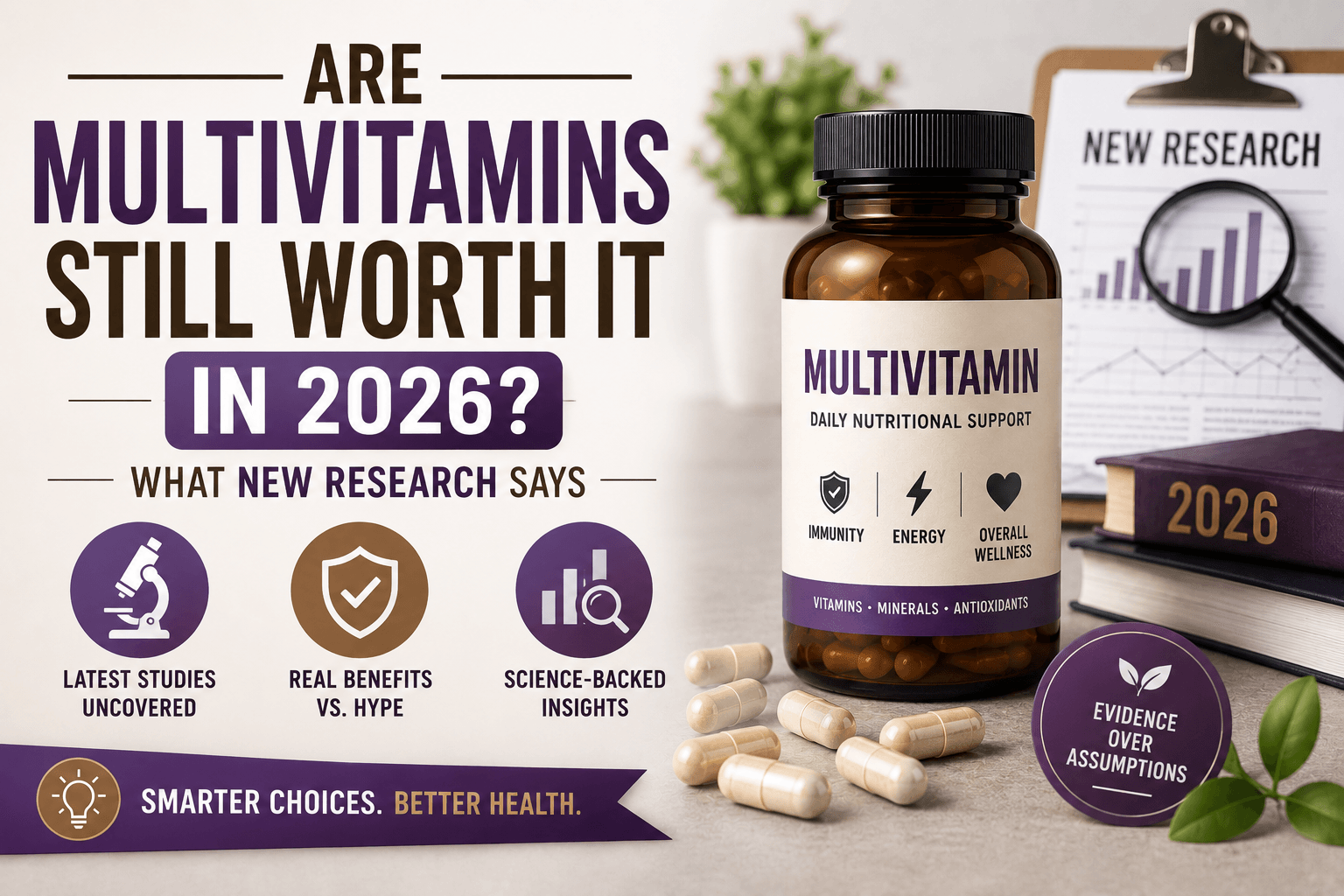
In 2026, the big question is not really, “Are multivitamins good or bad?” It is more helpful than that: who actually needs them, and when do they make a difference? New research keeps pointing to the same honest answer. For many healthy adults who eat a varied diet, multivitamins are not a magic shield. But for people with a higher risk of vitamin and mineral deficiency, they can still be useful as a backup, especially when food, stress, digestion, age, or medication gets in the way.
That is why this topic matters. When people search for Signs of vitamin deficiency, vitamin deficiency symptoms, or nutrient deficiency symptoms, they are usually looking for a simple answer to a vague problem. The truth is a little more nuanced, but once you understand the basics, it becomes much easier to make smart choices.
OTHER RELEVANT BLOG POST

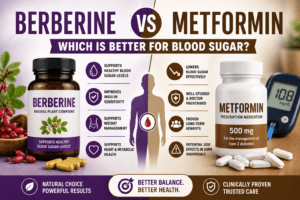
For a different take on the topic, you may also find this related reading helpful: why your multivitamin is probably useless and what to take instead.
What new research says about multivitamins in 2026
The latest research still shows that multivitamins are not a replacement for a good diet. If your meals already cover your needs, a daily capsule usually does not create dramatic changes you can feel right away. That is why many experts say the best “supplement” is still a balanced plate.
At the same time, the evidence is not saying multivitamins are useless for everyone. They can help fill gaps when your intake is low, when absorption is poor, or when your life stage increases your needs. This is especially true if you are:
- Eating fewer calories than usual
- Following a vegan or very restrictive diet
- Pregnant or trying to conceive
- Over 50, when B12 absorption can drop
- Dealing with digestive issues that affect absorption
- Taking medications that interfere with vitamins or minerals
So the real answer is simple: multivitamins are still worth it for some people, but not as a one-size-fits-all fix.
Vitamin deficiency signs you should not ignore
OTHER RELATED BLOG POSTS
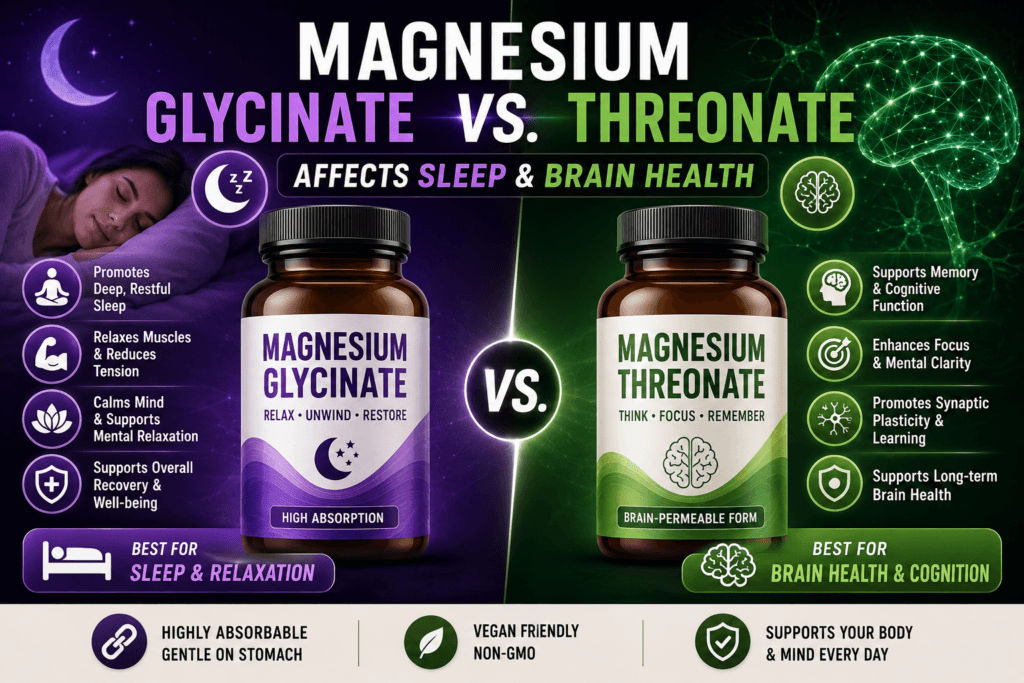
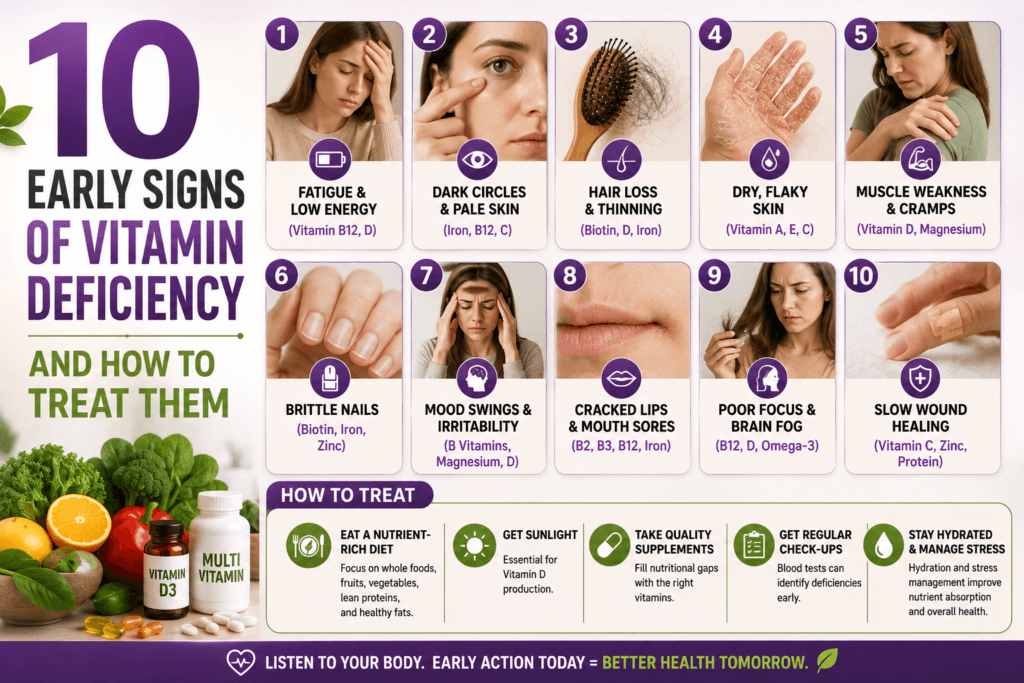
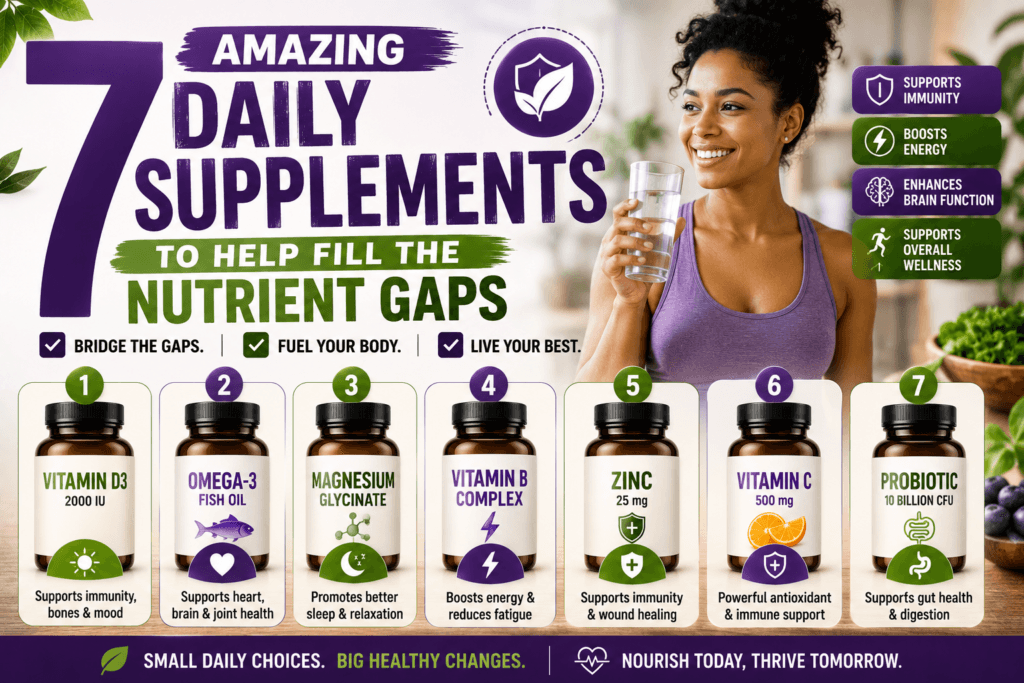
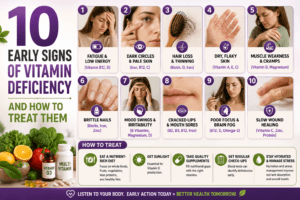
Some vitamin deficiency signs are easy to miss because they look like everyday stress. You may think you are just busy, not sleeping enough, or “getting older.” But vitamin deficiency symptoms can overlap with a lot of other issues.
Common warning signs include:
- Constant fatigue or low energy
- Brittle nails or hair shedding
- Dry skin or mouth corners that crack easily
- Muscle cramps or weakness
- Tingling, numbness, or brain fog
- Slow wound healing
- Frequent colds or feeling run down
- Bone pain or muscle aches
- Low mood or irritability
These are also common nutrient deficiency symptoms, but they are not proof of a deficiency on their own. That is why guessing is not the best strategy.
How to identify vitamin deficiency without guessing
If you are wondering how to identify vitamin deficiency, start with patterns, not panic. The best approach is to look at your food, symptoms, and risk factors together.
- Track your meals for 7 to 14 days. Notice whether you regularly eat fruits, vegetables, protein, dairy or fortified alternatives, beans, seafood, and whole grains.
- Write down your symptoms. Note when you feel tired, foggy, weak, crampy, or unusually low.
- Use an AI meal or symptom app. Preventive health tools can help you spot trends, like low-iron foods, low-protein days, or repeated missed meals. AI is helpful for pattern-finding, but it should never replace medical testing.
- Review your medications. Some medicines can affect B12, magnesium, iron, or other nutrients.
- Ask your clinician about blood work. If symptoms keep showing up, testing is the best way to know what is actually going on.
If you want reliable background information, these evidence-based resources are a good place to start: NIH Office of Dietary Supplements on multivitamin/mineral supplements and Cleveland Clinic’s overview of vitamin deficiency symptoms.
Common vitamin deficiencies and why they happen
Some common vitamin deficiencies show up more often than others. The exact pattern depends on your diet, age, health, and lifestyle, but these are some of the ones clinicians see again and again:
- Vitamin D — often linked to low sun exposure, darker skin, indoor living, or not eating many vitamin D-rich foods
- Vitamin B12 — more common in vegans, older adults, and people with absorption problems
- Folate — may be low with poor diet or increased needs, especially during pregnancy
- Iron — common with heavy periods, low red meat intake, or absorption issues
- Magnesium and zinc — not vitamins, but often part of the bigger picture when energy, immunity, or muscle function is off
These are all part of the larger story of vitamin and mineral deficiency. The causes are usually practical, not mysterious. Common vitamin deficiency causes include:
- Not eating enough nutrient-dense foods
- Restrictive dieting
- Poor absorption from gut issues
- Higher needs during pregnancy, aging, or illness
- Medication effects
- Too little sunlight for vitamin D
Vitamin deficiency treatment: what actually works
Vitamin deficiency treatment should always match the cause. That usually means a mix of food, targeted supplements, and follow-up testing when needed.
Here is the most sensible approach:
- Fix the diet first by adding more whole foods that naturally contain the missing nutrient.
- Use a targeted supplement if a deficiency is confirmed or strongly suspected.
- Do not megadose on your own, especially with fat-soluble vitamins like A, D, E, and K.
- Recheck levels if your clinician recommends it, so you know the plan is working.
- Look for the root cause if deficiencies keep coming back.
If you like having a practical place to start with quality supplements, here is my shop link:
A simple preventive-health routine for 2026
This is where AI and preventive health can work well together. You do not need a complicated system. You just need a repeatable one.
- Check your plate. Ask yourself: Did I get protein, fiber, color, and a source of healthy fats today?
- Track patterns. Use a journal or AI-powered app to notice missed nutrients before they become a bigger issue.
- Test when needed. If you have ongoing fatigue, brain fog, or other symptoms, ask for labs instead of guessing.
That is the heart of prevention. Not fear. Not hype. Just steady awareness.
Are multivitamins still worth it in 2026?
Yes, sometimes. But they are worth it for the right person, not as a universal habit.
If you eat well, feel well, and have no known risks, a multivitamin may not change much. If you are dealing with nutritional deficiencies, limited food variety, absorption issues, or a life stage that raises your needs, a multivitamin can be a smart backup while you improve the basics.
My honest mentor-to-friend answer is this: use food first, use data second, and use supplements third. That order keeps you grounded and helps you spend your energy where it matters most.
Frequently Asked Questions
Can multivitamins prevent disease?
Not by themselves. They may help fill nutrient gaps, but they are not a replacement for healthy eating, movement, sleep, stress management, and regular checkups.
What are the most common signs of vitamin deficiency?
Fatigue, brittle nails, hair changes, cramps, low mood, numbness, and slow healing are common warning signs, but they can also be caused by other health issues.
Can AI diagnose vitamin deficiency?
No. AI can help you track food patterns, symptoms, and habits, but only lab testing and a qualified clinician can confirm a deficiency.
When should I ask for testing?
If symptoms are persistent, if you follow a restrictive diet, if you take medications that affect nutrients, or if you have conditions that affect absorption, testing is a smart next step.
Before you buy another supplement or ignore another clue from your body, pause and get curious. Your energy, focus, and long-term health are worth that attention. Start with the basics, track what you notice, and make choices that fit your real life.
Frequently Asked Questions
Who is most likely to benefit from taking a multivitamin in 2026?
People with restricted diets, low appetite, food allergies, absorption issues, or higher nutrient needs are the most likely to benefit. That includes some older adults, pregnant people, vegans, and those recovering from illness. For generally healthy adults who already eat a varied diet, the benefits are usually much less noticeable.
Can a multivitamin make up for an unhealthy diet?
Not really. Multivitamins can help cover small nutritional gaps, but they do not replace the fiber, protein, healthy fats, and protective compounds found in whole foods. If your diet is consistently lacking, a supplement may be a backup, not a solution. Food quality still matters more than capsules.
Is there any downside to taking a multivitamin every day?
Yes, especially if the formula is high-dose or duplicates nutrients from other supplements. Too much vitamin A, iron, or certain fat-soluble vitamins can cause problems over time. Daily use is usually safe for many people, but it is worth checking the label and avoiding unnecessary megadoses.
Do multivitamins interact with medications or other supplements?
They can. Iron, calcium, and magnesium may affect how some medicines are absorbed, and vitamin K can interfere with blood thinners. High-dose vitamin C or zinc can also stack up if you take separate supplements. If you use prescription medications, it is smart to confirm timing and compatibility with a clinician.
What should I look for when choosing a multivitamin now?
Look for a formula that matches your age, sex, and diet rather than a one-size-fits-all product. Prefer brands with third-party testing, moderate doses near daily needs, and clear labeling. Avoid products that promise dramatic energy, weight loss, or immunity boosts, since those claims are usually overstated.