
Last winter, after I noticed my energy, mood, and focus slipping a little, I went back to the basics: better sleep, more sunlight, better food, and a closer look at the nutrients many of us overlook. If you like keeping your habits simple and trackable, I also put together 90 DAYS FOOD AND FI to help you stay consistent.
These days, more people are thinking about preventive health before problems show up. I love that shift. It means we are paying attention earlier, making small smart choices, and using tools like food, movement, and even AI to support our health goals. One combo that keeps popping up in wellness conversations is vitamin D3 + K2.
At first, it can sound like just another supplement trend. But when you look a little closer, the reason is simple: these two vitamins do different jobs that work well together. That is why so many health enthusiasts are talking about them now.
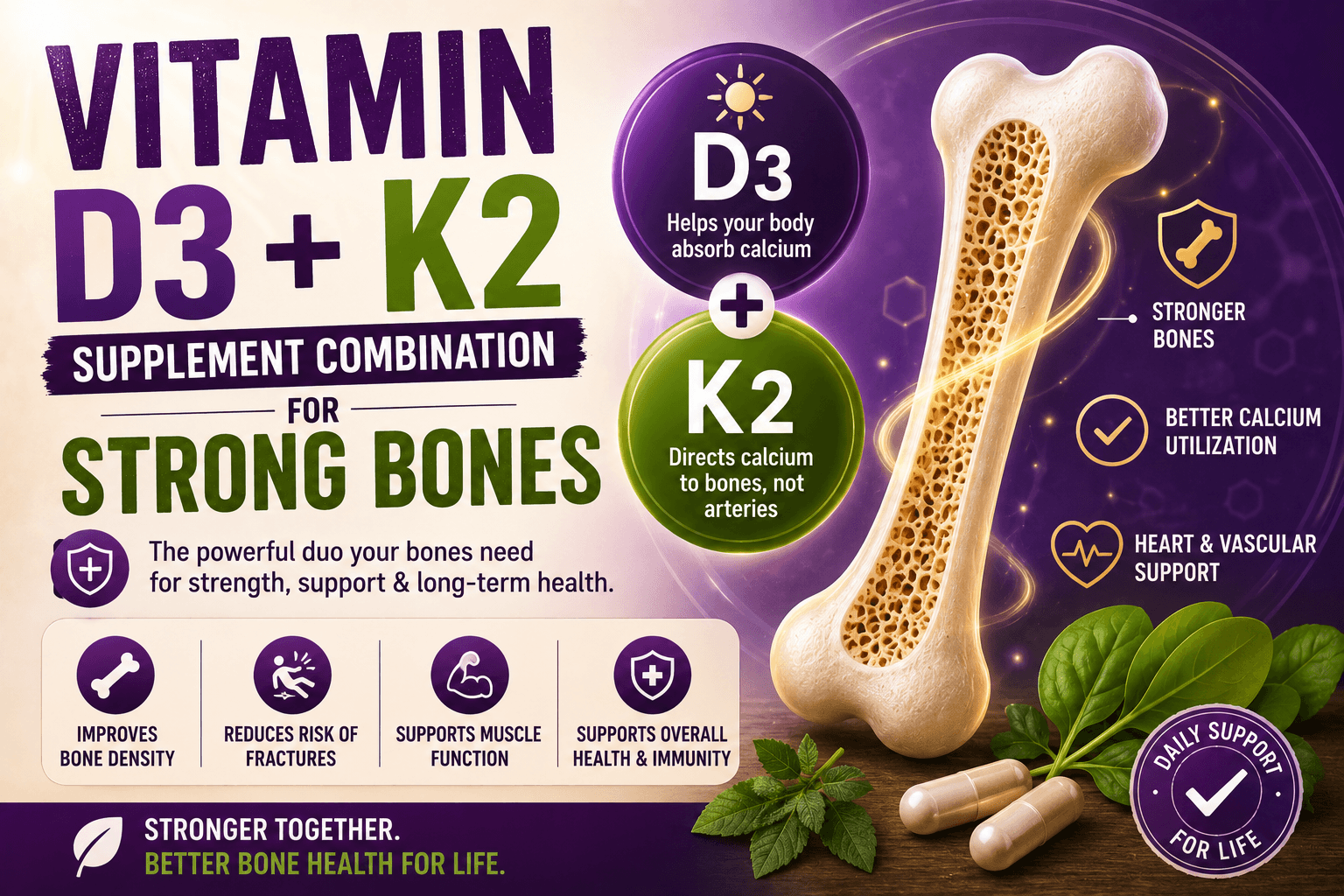
What vitamin D3 and K2 supplements actually do
Vitamin D3 helps your body absorb calcium. Calcium matters for bones, teeth, muscles, and more. Vitamin K2 helps direct that calcium to the places that need it most, like bones, instead of leaving it floating around where it does not belong.
OTHER RELEVANT BLOG POST



I like to think of it this way:
- D3 helps bring calcium into the system.
- K2 helps guide calcium to the right destination.
That teamwork is the big reason the pair gets so much attention in preventive health circles.
Why this combo is trending right now
OTHER RELEVANT BLOG POST
There are a few reasons vitamin D3 + K2 keeps showing up in wellness feeds, podcasts, and supplement chats:
- People want simple routines. A two-in-one approach feels easier than juggling a dozen products.
- More people are aware of vitamin D deficiency. Indoor work, sunscreen use, winter months, and limited sun exposure can all play a role.
- Preventive health is more popular. Instead of waiting for a health issue, people want to support their body early.
- AI and wearables make tracking easier. Smart tools can remind you to take your supplement, log sunlight, or notice patterns in your energy and sleep.
How D3 + K2 supplement fits into preventive health
Preventive health is really about doing the small things that help you feel stronger over time. Vitamin D3 + K2 can be part of that picture, especially if your diet is not perfect, you do not get much sun, or you are trying to build better habits before health issues pile up.
It is not magic. It will not replace good sleep, balanced meals, movement, or medical care. But as part of a bigger routine, it can be a useful piece of the puzzle.
Signs you may want to look into vitamin D3 + K2 supplement
You do not have to guess blindly. A few clues may tell you it is worth learning more:
- You spend most of your day indoors.
- You live in a place with long winters or limited sunlight.
- You do not eat many foods rich in vitamin D or K.
- You are already focused on bone, heart, or immune support.
- You want a smarter preventive health routine.
If you are unsure, a blood test and a conversation with a qualified clinician can help you make a better decision.
How to choose a quality supplement
Not all supplements are made the same. When shopping for vitamin D3 + K2, here are a few simple things to check:
- Look for D3, not just vitamin D. D3 is the form commonly used in supplements.
- Check the K2 form. MK-7 is a popular form because it tends to stay active in the body longer.
- Read the label carefully. You want to know the amount per serving, not just the front label claim.
- Choose a trusted brand. Third-party testing, clear ingredient lists, and quality sourcing matter.
- Take it with food. Since these are fat-soluble vitamins, many people tolerate them best with a meal that includes healthy fats.
Helpful tip: If you use an AI nutrition app or a smartwatch, set a daily reminder and track whether you took your supplement with breakfast or dinner. Tiny routines are easier to keep when technology helps you stay honest and consistent.
A simple daily routine that makes this easier
If you want to keep things practical, try this:
- Wake up and step outside for a few minutes of natural light.
- Eat a balanced meal with protein, healthy fat, and fiber.
- Take your D3 + K2 with that meal.
- Log it in a journal, habit app, or AI wellness tracker.
- Review your energy, sleep, and consistency once a week.
This kind of routine is easy to maintain because it is not extreme. It just gives your body a steady rhythm.
Important safety note
Vitamin K can interact with blood-thinning medication, especially warfarin, so anyone on medication should ask a healthcare professional before starting K2. If you are pregnant, nursing, managing a health condition, or already taking multiple supplements, it is smart to check in with your clinician first.
Helpful resources
For evidence-based reading, I like these trusted sources:
If you want to keep building your wellness routine, check out my preventive health routine guide, my vitamin D deficiency guide, and my simple morning wellness checklist.
FAQ
Why do people take vitamin D3 and K2 together?
Because they support different parts of the same process. D3 helps your body absorb calcium, and K2 helps guide that calcium to the right places.
What is the best time to take vitamin D3 + K2?
Many people take it with a meal that includes fat, such as breakfast or dinner. The best time is the time you will remember consistently.
Can I take K2 if I am on blood thinners?
Not without medical guidance. Vitamin K can affect how certain blood-thinning medications work, so this is a conversation to have with your clinician.
Can AI help me stay consistent with supplements?
Yes. AI apps, smart reminders, and wearable trackers can help you log habits, remember doses, and notice patterns in sleep, sunlight, and energy.
Final thoughts
Vitamin D3 + K2 is trending because it feels practical, simple, and aligned with what so many of us want right now: a smarter preventive health routine. If you have been meaning to tighten up your wellness habits, this is a good place to start.
My advice? Keep it simple, stay curious, and use tools that make healthy choices easier. If this combo fits your goals, talk with a qualified professional, choose a quality product, and build it into a routine you can actually keep.
Frequently Asked Questions
Can vitamin D3 and K2 replace sunlight if I already spend a lot of time indoors?
Not really. A supplement can help fill gaps, but it does not replace the wider benefits of sunlight, like supporting circadian rhythm and outdoor movement. If you are indoors most of the day, D3 + K2 may be useful as part of a broader routine, but it works best alongside healthy habits, not instead of them.
Why is K2 often paired with D3 instead of taking D3 alone?
D3 helps your body absorb calcium, while K2 helps direct that calcium toward bones and away from places where it is not needed. That is why the combo is popular in preventive health. The pair is meant to work together, especially for people trying to support long-term bone and heart wellness.
Should I get my vitamin D levels tested before starting a D3 + K2 supplement?
That is often a smart move, especially if you suspect deficiency or want a more personalized plan. A blood test can show whether you are low, normal, or already taking enough. It helps avoid guessing and makes it easier to choose the right dose with guidance from a qualified clinician.
Is it better to take vitamin D3 + K2 in the morning or at night?
There is no strict rule, but many people prefer taking it earlier in the day with a meal. Since both are fat-soluble, taking them with food that contains healthy fats can improve tolerance and absorption. The best timing is usually the one you can follow consistently every day.
Who should be extra careful before using a vitamin D3 + K2 supplement?
People taking blood-thinning medication, anyone with certain kidney issues, or those already on other vitamin D or calcium supplements should be cautious. K2 can matter a lot if you use anticoagulants, so medical advice is important. If you have a health condition or take regular medication, check with a clinician first.